The United Nations (UN) Sustainable Development Goal (SDGs) are the product of decades of work by the global organisation regarding roadmaps to surmount the myriads of challenges facing our generation, which if not tackled will spell doom and gloom for future generations. The UN terms the SDGs as a global call to action and “blueprint to achieve a better and more sustainable future for all”. Articulated into 17 goals, 169 targets and 6124 actions, the lodestar outlines aspirations and actions to tackle hunger, poverty, health, clean energy, climate action, inequality, peace and justice. The UN SDGs are an outline humanity’s war to save itself and all of us individually and collectively must be part of the battle. As knowledge producers, universities are considered the vanguard when it comes to empowering people to change the way they think towards a sustainable future. They provide knowledge, skills, and motivation for younger ones to appreciate the multi-faceted challenges facing us today and how they threaten their future. By this, tomorrow’s leaders are mobilised to confront today’s challenges. Through research by their faculty, students and staff, universities support governments, non-governmental organisations (NGOs) and other stakeholders to understand and implement the different SDGs. On their own and by prompting from funding, ranking, and other organisations, universities have been galvanised to integrate SDGs into various aspects of their teaching, research, outreach, and engagement. While some have fashioned out new curricula, introduced new degrees at undergraduate and postgraduate levels, others have united research programmes aimed at supporting the SDGs.
PSAU's Collaborations with NGOs
Prince Sattam Bin Abdulaziz University (PSAU) approaches collaboration with non-governmental organisations as an integral element of its institutional contribution to sustainable development. Rather than treating external engagement as a parallel activity, PSAU embeds NGO collaboration within its educational, research, and civic missions, ensuring that action on the Sustainable Development Goals (SDGs) is both academically grounded and socially responsive.
Through student volunteering programmes, PSAU works closely with local, national, and international NGOs to translate sustainability learning into meaningful community impact. Student volunteering is structured, supervised, and aligned with defined SDG outcomes, enabling learners to apply classroom knowledge in real-world contexts. These programmes support areas such as environmental stewardship, community health, social inclusion, education outreach, and humanitarian assistance. By partnering with NGOs that operate at the community level, PSAU ensures that volunteering activities address genuine societal needs while cultivating responsible citizenship, ethical awareness, and sustainability literacy among students. Alumni and staff frequently participate alongside students, reinforcing a culture of lifelong civic engagement.
In parallel, PSAU collaborates with NGOs through applied and interdisciplinary research programmes that address complex sustainability challenges. These partnerships focus on co-creating knowledge rather than producing research in isolation. Faculty and students work with NGO practitioners on projects related to climate adaptation, renewable energy, public health, social resilience, and sustainable livelihoods, particularly within the context of the Global South. Such collaborations allow research questions to be shaped by on-the-ground realities and enable findings to inform practice, policy dialogue, and programme design. Students involved in these research initiatives develop practical research skills while deepening their understanding of sustainability as an interconnected social, environmental, and economic endeavour.
PSAU also engages NGOs in the development of educational resources and learning frameworks that advance sustainability education beyond the university. Working with international networks and civil society partners, PSAU contributes to the design of curricula, toolkits, training modules, and assessment frameworks that support education for sustainable development and green skills. These resources are used both within the University and by partner organisations to build capacity among educators, students, and community stakeholders. The University’s involvement in global initiatives focused on sustainability literacy and skills assessment further strengthens this work, ensuring that educational resources are aligned with emerging international standards while remaining sensitive to regional contexts.
Across volunteering, research, and educational resource development, PSAU’s collaboration with NGOs reflects a coherent institutional approach to advancing the SDGs. These partnerships reinforce the University’s commitment to experiential learning, evidence-based action, and social responsibility, while ensuring that sustainability literacy is continuously strengthened through engagement with real-world challenges. Through sustained and structured collaboration with civil society, PSAU positions itself not only as a centre of learning, but as an active contributor to sustainable development at local, regional, and global levels.
As a first step, in 2023, the Prince Sattam Bin Abdulaziz University (PSAU) has started the process of SDG education by integrating its teaching across different programmes. Concomitant with this, through its first-year introductory course on engineering design, the college of engineering initiated a carefully mentored programme through which students were introduced to the SDGs and guided towards fashioning out engineering solutions to the different challenges that the SDGs aim to address. Consequently, throughout the semester, working in groups of four to six, students brainstormed on the SDGs, identified problems that they could solve with the caveat that their solutions must produce tangible engineering outcomes, devices, or technologies addressing at least one SDG. Aptly themed “the role of engineering in attaining the UN SDGs,” the semester long mentoring produced ten engineering outcomes that addressed 13 of the 17 SDGs. These outcomes ranged from an electronic trash monitoring and disposal system to prevent health hazards posed by rotting and unattended waste to other sensor-based applications in baby monitoring, poultry farming, responsible consumption of water and electricity to solutions addressing local issues such as provision of conducive and ergonomic classroom equipment, portable emergency solar-powered flashlights, and a technology to enhance construction site safety. In another outcome with potentially wider applications, a group of students focused on addressing financial and health inequality faced by the mobility-impaired and disabled people by proposing an add-on that converts a manual wheelchair into a solar powered one within two minutes. It is noteworthy that all the students are freshmen just commencing their engineering studies. The enumerated outcomes were showcased as poster and physical outcome presentations during a well-attended SDG Week at the newly erected SDG Ville in the university’s main campus. The publicity before the event, its carnival nature, and viability and excitement generated by of outcomes of the students’ projects provided the much-needed awareness regarding the SDGs and engineers’ roles in their attainments. This document provides a non-technical overview of the project outcomes as well as photos from the event, the first of periodic engagements by the university towards a better, safer, and sustainable future for us all.
PSAU collaborates systematically with non-governmental organisations as part of its institutional commitment to advancing the Sustainable Development Goals, embedding these collaborations within its teaching, research, and civic engagement functions rather than treating them as standalone activities.
Through student volunteering programmes, PSAU partners with NGOs to deliver structured, supervised activities aligned with specific SDG outcomes, including environmental protection, community health, education outreach, social inclusion, and humanitarian support. These programmes enable students to apply sustainability knowledge in real-world settings while developing responsible citizenship, ethical awareness, and sustainability literacy.
PSAU engages NGOs in applied and interdisciplinary research programmes that address complex sustainability challenges such as climate resilience, renewable energy, public health, and sustainable livelihoods. These collaborations ensure that research agendas are informed by community needs and that findings contribute directly to practice, capacity building, and policy dialogue, particularly within Global South contexts.
Students participating in NGO-linked research initiatives gain hands-on research experience and deepen their understanding of sustainability as an integrated social, environmental, and economic framework, reinforcing learning outcomes achieved through formal curricula.
The University works with NGOs and international civil society networks in the development of educational resources, including curricula, training modules, toolkits, and sustainability and green skills frameworks. These resources support education for sustainable development within PSAU and across partner organisations and communities.
PSAU’s engagement in global sustainability and green skills initiatives ensures that NGO-developed educational resources and assessment approaches are aligned with evolving international standards while remaining responsive to regional and national priorities.
Collectively, PSAU’s collaboration with NGOs through volunteering, research, and educational resource development demonstrates a coherent, institution-wide approach to contributing to the SDGs, strengthening experiential learning, societal impact, and sustainability literacy across the student body.
Global Leadership in Sustainability
PSAU's commitment to sustainability extends to its global engagement, as demonstrated by two flagship initiatives:
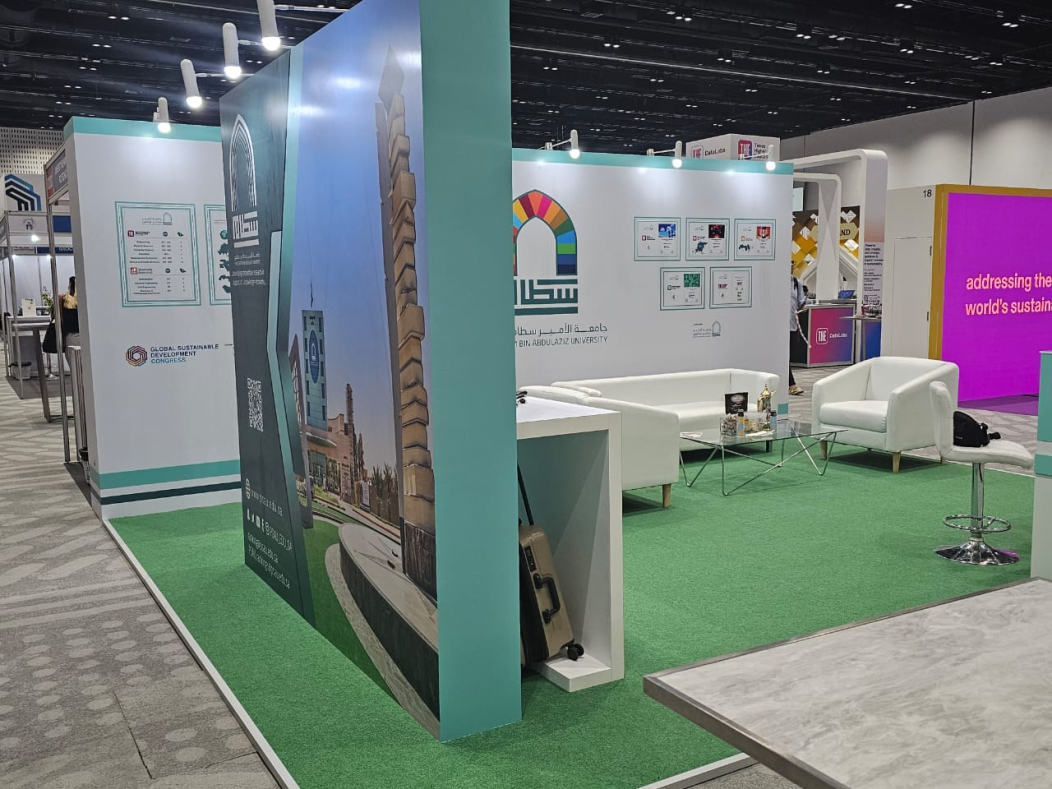
Sponsorship of the Times Higher Education (THE) Global Sustainable Development Congress (in Thuwal, Jeddah, Saudi Arabia (2023) and in Bangkok, Thailand (2024))
As a sponsor of the THE Global Sustainable Development Congress, PSAU has facilitated knowledge exchange on a global scale, bringing together policymakers, academics, and industry leaders. Through these events:
• PSAU has showcased its research and policy initiatives, contributing to global SDG discourse.
• Facilitated discussions on key challenges like climate resilience, education equity, and sustainable energy, helping shape actionable strategies for governments and NGOs.
Appointment as a Founding Partner of the UNEP-THE International Green Learning and Skills Accelerator
PSAU’s collaboration with the United Nations Environment Programme (UNEP) and THE underscores its leadership in promoting sustainability education and skill development:
• PSAU has played a central role in designing programs that align with SDG 4 (Quality Education) and SDG 13 (Climate Action), focusing on green skills for the future workforce.
• Supported capacity-building initiatives that enable governments and NGOs to integrate sustainability into national education systems, ensuring long-term impact.
As a student-centric and sustainability-focused institution, PSAU is excited to be part of this great initiative that will impact the future skills that we teach at universities all over the world. It is important that the future generation is ready to continue the fight towards a sustainable, equitable, just, and cleaner world for future generations beyond the current UN SDGs.
PSAU will partner with THE, UNEP, and other institutions to provide leadership towards research, curriculum enhancement, and best practices to deepen SDG education across the higher education landscape worldwide.
Prince Sattam Bin Abdulaziz University has firmly positioned itself as a leader in SDG policy development, not only through national and regional engagements but also by fostering global partnerships and thought leadership. Its sponsorship of the THE Global Sustainable Development Congress and role as a Founding Partner of the UNEP-THE International Green Learning and Skills Accelerator reinforce its commitment to shaping a sustainable future. PSAU's efforts exemplify its dedication to identifying challenges, creating innovative solutions, and driving impactful actions that resonate both locally and globally.
PSAU International SDG Collaboration & Best Practice Development Activities (2024–2025)
1. Academic Conferences and Global SDG Congresses
A. THE Global Sustainable Development Congress 2024
- Date: June 10–13, 2024
- Location: Bangkok, Thailand
- Activity: Co-sponsorship and speaker participation
- Scope: PSAU co-sponsored this global event and showcased its SDG innovation projects through student exhibitions and a keynote panel led by senior university leadership. Discussions focused on cross-sectoral governance and climate resilience strategies.
- Outcome: Strengthened strategic positioning within the THE Sustainability Impact Network and contributed to multi-region dialogues on integrating green skills into academic curricula.
B. Africa University Summit – Global South Partnership Launch
- Date: October 2024
- Format: In-person summit, keynote and institutional launch
- Activity: PSAU served as a headline sponsor and launched the PSAU Global South Partnership, formalising bilateral and multilateral cooperation for shared SDG challenges including digital equity and climate adaptation.
- Outcome: Framework for peer review of regional solutions and annual benchmarking of progress toward SDGs 4, 13, and 17.
C. Industry-Academic Sustainability Innovation Exhibition
- Date: April 2025
- Location: PSAU Main Campus
- Format: Public exhibition and academic-industry showcase
- Attendees: Over 300 participants, including student innovators, faculty researchers, industry partners (e.g., energy, construction, technology sectors), and local government officials
- Scope: PSAU hosted its first full-scale sustainability exhibition featuring prototypes, solutions, and pilot research addressing SDGs 7 (Affordable and Clean Energy), 9 (Industry, Innovation and Infrastructure), and 12 (Responsible Consumption and Production).
- Activity: Joint panels and demo sessions facilitated dialogue between researchers and private sector leaders on sustainability metrics, circular economy models, and sector-specific SDG implementation challenges.
- Outcome: Led to the establishment of co-funded pilot projects in waste management and solar energy innovation; shaped proposals for PSAU’s new SDG-aligned industry fellowship programme.
D. Shell Eco-marathon Asia-Pacific & Middle East Participation
- Date: November 2025
- Location: Mandalika International Circuit, Indonesia
- Format: International student innovation competition
- Attendees: PSAU student engineering team, Shell sustainability engineers, regional university teams, industry observers
- Scope: A student team from PSAU’s College of Engineering represented the University in the prestigious Shell Eco-marathon, a global event that challenges students to design, build, and drive energy-efficient vehicles.
- Activity: The team’s prototype contributed to global discourse on low-emission vehicle technologies and mobility solutions aligned with SDG 9 (Industry, Innovation and Infrastructure) and SDG 13 (Climate Action). PSAU’s participation also included attending technical workshops on sustainable automotive design.
- Outcome: Positioned PSAU’s student innovation ecosystem on an international stage and initiated research collaborations with peers and Shell engineers for mobility-focused SDG innovation challenges.
2. SDG Skills and Literacy Assessment Initiatives
A. TASK™ Change Leader Partnership and Assessment Pilots
- Date: 2024–2029 academic cycles
- Partnership: Sulitest
- Activity: Institutional adoption of the TASK™ platform to measure sustainability literacy
- Scope: PSAU implements the TASK entry/exit assessments for undergraduate and postgraduate cohorts, using data to benchmark international sustainability literacy outcomes.
- Outcome: Provided longitudinal insight into the effectiveness of PSAU’s sustainability curricula and offered data-driven policy adjustment models based on international frameworks.
B. Founding Member – International Green Skills Initiative
- Date: Launched October 2024
- Format: Virtual and hybrid policy roundtables
- Participants: Global academic partners and multilateral agencies
- Contribution: PSAU co-developed the Global Green Skills Assessment Framework alongside Sulitest and other international academic leaders.
- Outcome: Strengthened PSAU’s leadership in sustainability policy research and competency development.
C. Advisory Board Membership – International Green Skills Assessment Framework
- Date: Appointment formalised in June 2024
- Format: Ongoing participation in international advisory consortium
- Partnership: Global Green Skills Initiative (in collaboration with THE, University of Manchester, Singapore Management University, Sulitest, higher education networks, UN and other development partners)
- Scope: PSAU was appointed as an institutional advisory board member to help shape the International Green Skills Assessment Framework. The University contributed to policy design workshops, technical validation sessions, and alignment consultations with SDG education benchmarks.
- Activity: PSAU offered insight from its own integration of green skills into curricula and its use of the TASK platform for sustainability literacy measurement. Contributions focused on localising global frameworks to better serve Global South institutions.
- Outcome: Strengthened PSAU’s role in co-developing international education policy tools and reaffirmed its global leadership in SDG-aligned skills development.
D. Pilot Programme – International Green Skills Assessment Framework
- Date: November 2025 to January 2026
- Format: Pilot implementation of assessment tools
- Partnership: THE and International Green Skills Initiative
- Scope: PSAU served as the first pilot universities to trial the new International Green Skills Assessment Framework, testing indicators for assessing green skill acquisition across disciplines.
- Activity: Selected students from engineering, health sciences, and education faculties participated in competency-based digital assessments. Faculty collaborators contributed feedback on curricular alignment and assessment validity.
- Outcome: Pilot results informed improvements to the global framework while guiding PSAU’s integration of green competencies into programme learning outcomes. This strengthened PSAU’s curriculum reform strategies and global credibility in SDG-focused education transformation.
3. Collaborative Research and Framework Development
A. SDSN Affiliation
- Date: December 2025
- Scope: Contributions to SDG data gap analyses and policy adaptation tools focused on education, clean energy, and food security.
- Outcome: PSAU adopted adaptive policy frameworks into local pilot programmes and integrated them into postgraduate research clusters.
B. Joint Research Forum on Climate Adaptation (Virtual Roundtable) – PSAU Global South Partnership
- Date: November 2025
- Format: Inter-university roundtable with institutions from MENA, ASEAN, and Sub-Saharan Africa
- Theme: Comparative strategies for SDG 13 (Climate Action)
- Outcome: PSAU faculty shared policy implementation results from university water and energy sustainability interventions. A joint white paper was initiated to propose a regional best practice repository.
4. Educational Outreach and Community Engagement Forums
A. PSAU SDG Week
- Date: February 2025
- Location: Main Campus, PSAU
- Participants: Faculty, students, alumni, and local NGOs
- Scope: A multi-stakeholder forum promoting international best practices in SDG teaching and co-curricular development. Activities included curriculum review panels, guest lectures, and a digital inclusion workshop co-hosted with NGO partners.
- Outcome: Consolidated curriculum alignment with SDG 4 and reinforced PSAU’s co-teaching modules on global citizenship and environmental ethics.
- Date: Quarterly
- Location: Main Campus, PSAU
- Participants: Faculty, students, alumni, and local NGOs
- Scope: A multi-stakeholder forum promoting international best practices in SDG teaching and co-curricular development. Activities included curriculum review panels, guest lectures, and a digital inclusion workshop co-hosted with NGO partners.
B. Educational Outreach Webinar Series – SDG Comparative Policy Dialogues (PSAU Global South Partnership)
Outcome: Aims to consolidate curriculum alignment with SDG 4 and reinforced PSAU’s co-teaching modules on global citizenship and environmental ethics.
C. Educational Outreach Webinar Series – SDG Comparative Policy Dialogues (PSAU Global South Partnership)
- Date: Monthly
- Format: Online
- Audience: Local educators and international partners from the Global South Partnership
- Scope: Cross-national webinars reviewing education policies across member countries and adaptation strategies for achieving equitable SDG implementation.
- Outcome: Published online toolkit for comparative SDG curriculum development used across several PSAU partner institutions.
Summary of Partnerships by Category
Type | Partners / Networks |
NGOs | Sulitest (TASK), local NGOs (via educational outreach and SDG awareness forums) |
International Networks | SDSN, THE Sustainability Impact Network, International Green Skills Initiative |
Academic Institutions | Universities from Africa, Asia, and MENA under Global South Partnership |
Governmental / Policy Advisory | Participants in climate policy roundtables and national education reform dialogues |
The Green PSAU initiative focuses on environmental sustainability and societal well-being.
Key Achievements:
1. Tree Planting and Waste Management:
o Improved waste disposal systems and reforestation programmes.
o SDG 12 (Responsible Consumption and Production), Target 12.5: Reduction of waste generation.
2. Biodiversity Preservation:
o Digital technologies to conserve ecosystems.
o SDG 15 (Life on Land), Target 15.5: Halting biodiversity loss
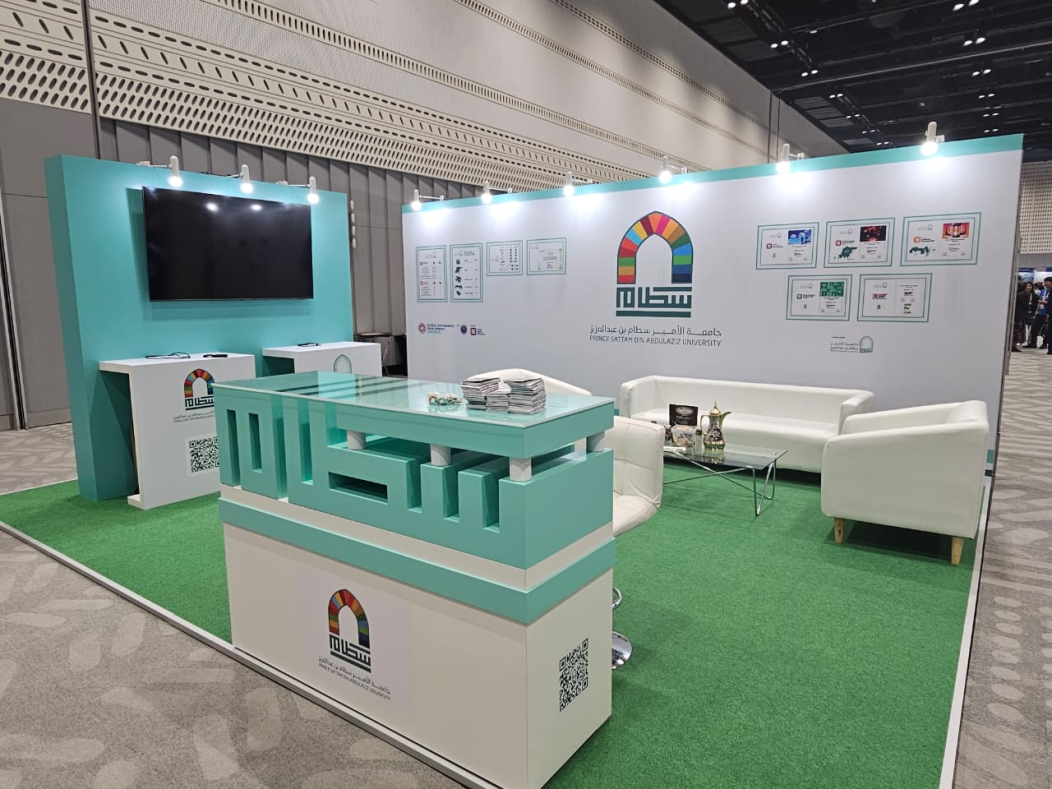
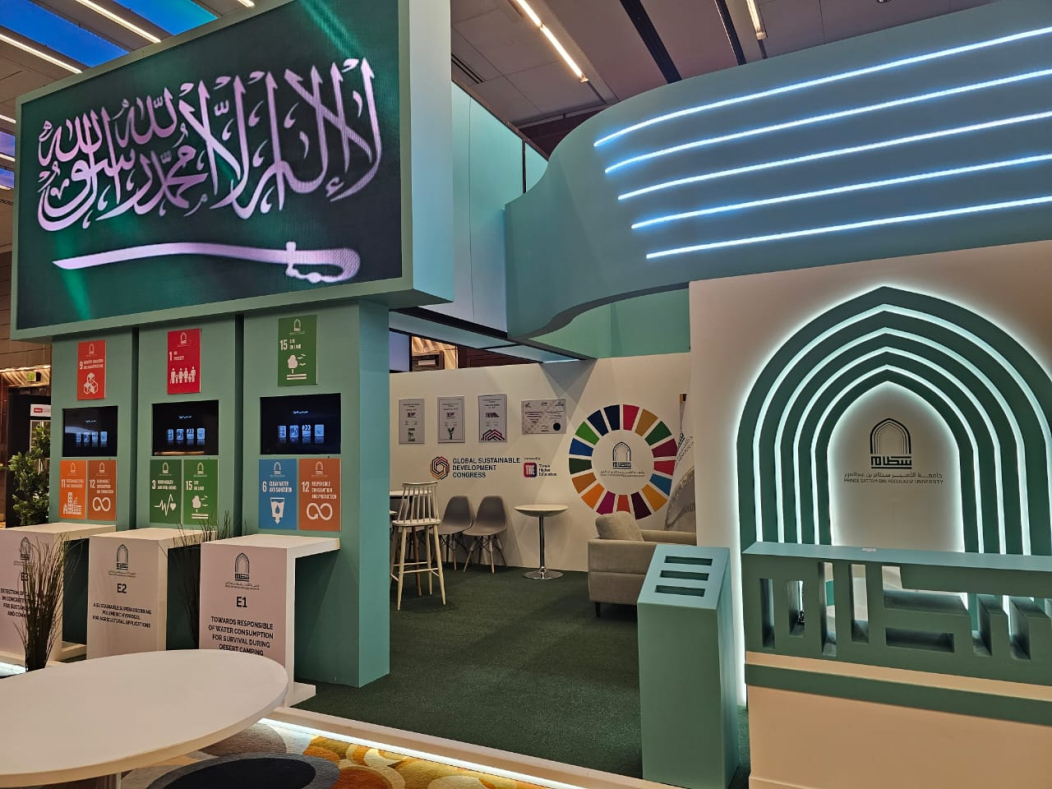
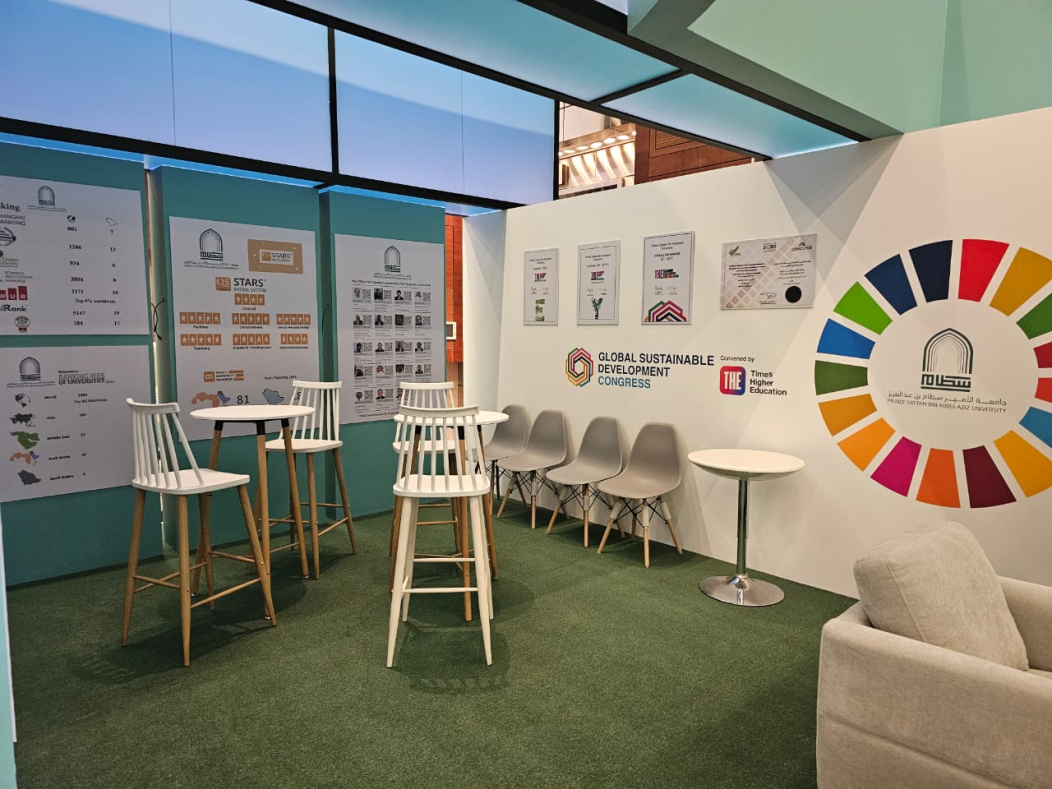
Global Sustainable Development Congress
PSAU's commitment to sustainability extends to its global engagement, as demonstrated by two flagship initiatives.
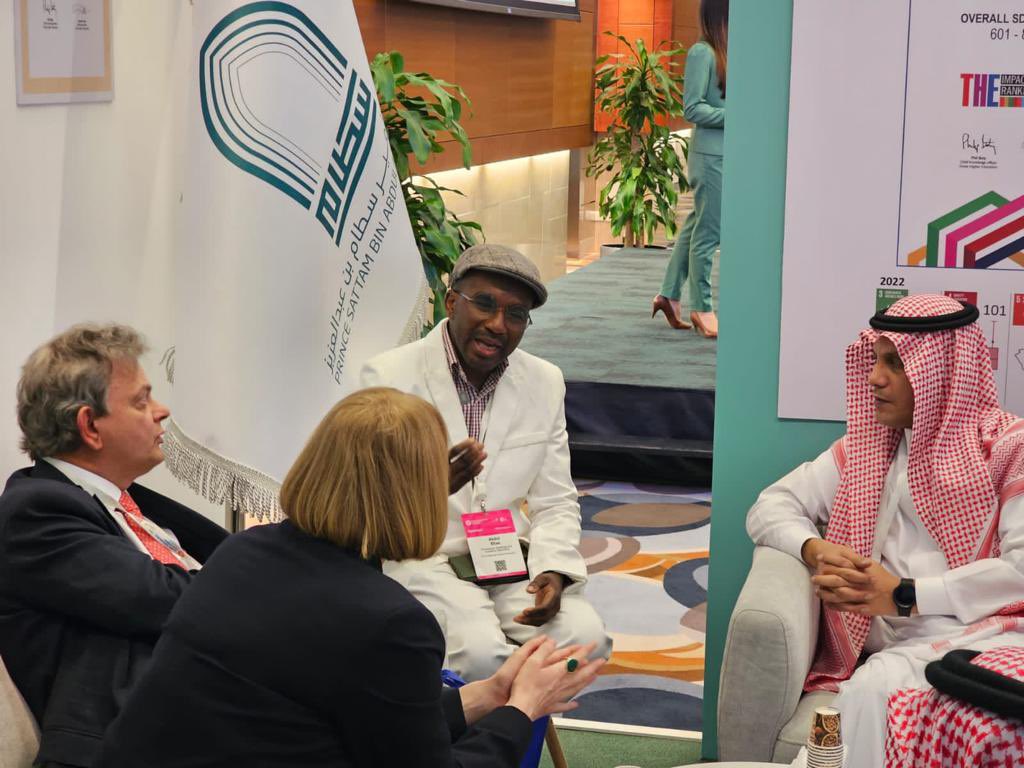
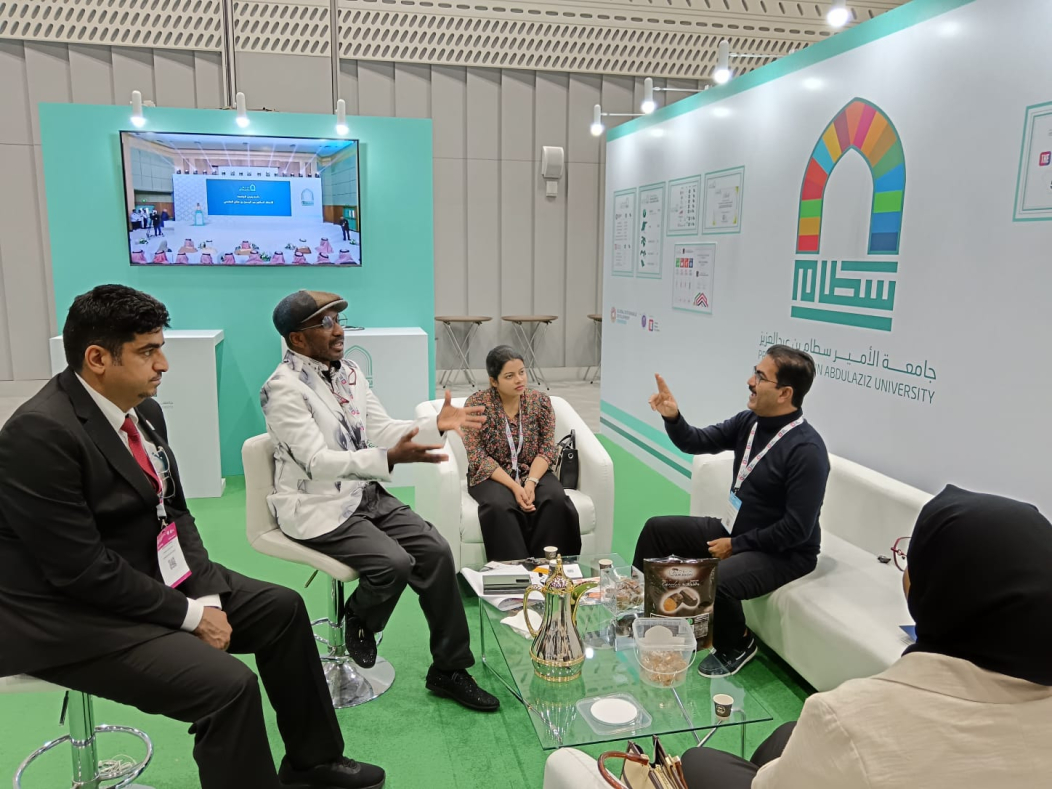
First, its investments in sponsoring global events on SDGs, notably the Times Higher Education (THE) Global Sustainable Development Congress (in Thuwal, Jeddah, Saudi Arabia (2023) and in Bangkok, Thailand (2024)) facilitates knowledge exchange on a global scale, bringing together policymakers, academics, and industry leaders.
Through these events:
• PSAU has showcased its research and policy initiatives, contributing to global SDG discourse.
• Facilitated discussions on key challenges like climate resilience, education equity, and sustainable energy, helping shape actionable strategies for governments and NGOs.

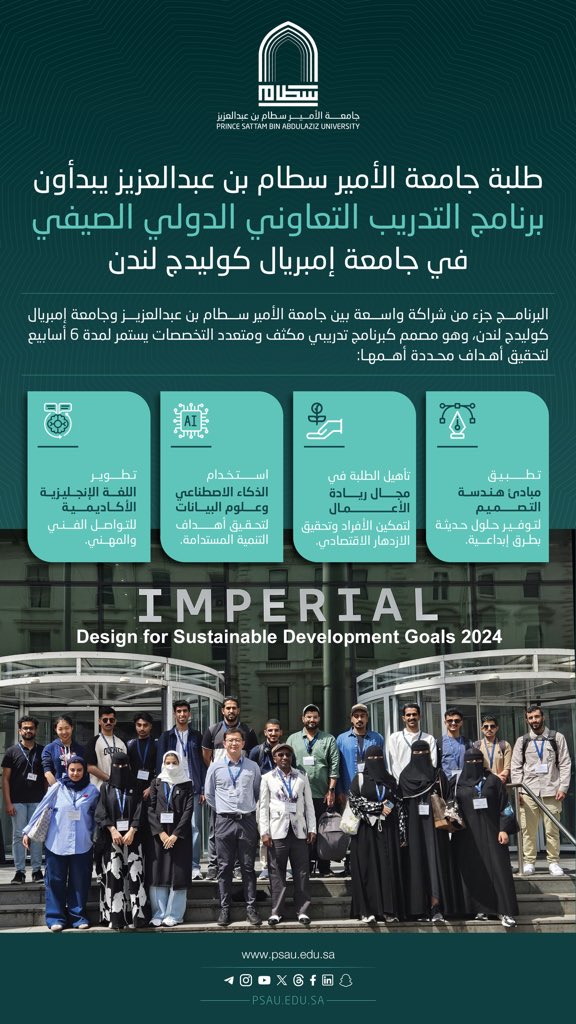
2024 cohort of the PSAU International training start their programme at Imperial College London
The second batch of students from the International Cooperative Training Programme have started their training programme at Imperial College London in the United Kingdom.
The theme of the training exercise is Design Engineering for Sustainable Development Goals. It provides students with the opportunity to train and learn in an international environment, and to expand their academic and scientific horizons as well as understanding of the SDGs. The programme aims to train students on modern skills and techniques in various fields, and to apply the concepts and skills they learn in the classroom in a practical environment.
PSAU’s collaboration with the United Nations Environment Programme (UNEP) and THE underscores its leadership in promoting sustainability education and skill development:
• PSAU has played a central role in designing programs that align with SDG 4 (Quality Education) and SDG 13 (Climate Action), focusing on green skills for the future workforce.
• Supported capacity-building initiatives that enable governments and NGOs to integrate sustainability into national education systems, ensuring long-term impact.
Participation:
1. Founding partner of the Green Learning and Skills Accelerator:
o Provides youth with skills for green jobs.
o SDG 8 (Decent Work and Economic Growth), Target 8.6: Reduction of youth unemployment.
2. Sponsor of THE Global Sustainable Development Congress (GSDC):
o Advocacy for sustainability education.
o SDG 4 (Quality Education), Target 4.7: Education promoting sustainable lifestyles.
________________________________________
PSAU’s programmes and initiatives underline its leadership in aligning with the SDGs. Through its 2030 SDG Roadmap, the Global South Partnership, and collaborations with international organizations, PSAU is creating transformative impact locally and globally. By fostering sustainability, inclusivity, and innovation, PSAU positions itself as a model institution in achieving the SDGs.
As a student-centric and sustainability-focused institution, PSAU is excited to be part of this great initiative that will impact the future skills that we teach at universities all over the world. It is important that the future generation is ready to continue the fight towards a sustainable, equitable, just, and cleaner world for future generations beyond the current UN SDGs.
PSAU will partner with THE, UNEP, and other institutions to provide leadership towards research, curriculum enhancement, and best practices to deepen SDG education across the higher education landscape worldwide.
________________________________________
Prince Sattam Bin Abdulaziz University has firmly positioned itself as a leader in SDG policy development, not only through national and regional engagements but also by fostering global partnerships and thought leadership. Its sponsorship of the THE Global Sustainable Development Congress and role as a Founding Partner of the UNEP-THE International Green Learning and Skills Accelerator reinforce its commitment to shaping a sustainable future. PSAU's efforts exemplify its dedication to identifying challenges, creating innovative solutions, and driving impactful actions that resonate both locally and globally.
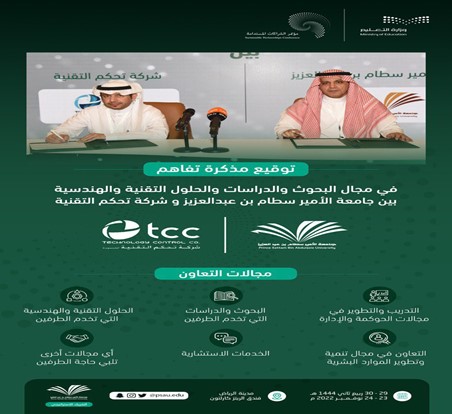
PSAU signs a memorandum of understanding with the Technology Control Company in the field of research studies, and technical and engineering solutions.
Located in Riyadh, the Technology Control Company (TCC) is a company that specialises in security services, digital services, and big data.
The partnership with PSAU will focus on research technical studies, engineering, teaching, and development in the areas of governance and management, consulting services and cooperation in different fields of human resources development.
The signing ceremony took place on 23 November 2023 at the University main campus. Details can be accessed via Link. Additional details about The Technology Control Company (TCC) can be accessed via https://www.tcc-ict.com/en.
Al-Fanar Company
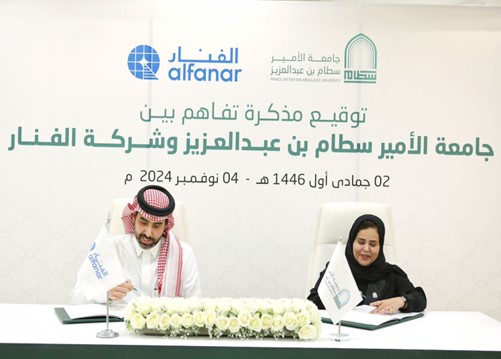
Prince Sattam Bin Abdulaziz University, represented by the Deanship of Educational Services, signed a memorandum of understanding with Al-Fanar Company to enhance cooperation between the two entities in the fields of training, employment, and research services.
Al-Fanar Company specialises in manufacturing low, medium, and high voltage electrical construction products, proving EPC solutions for both conventional and renewable power plants, as well as offering allied engineering services and design engineering. The MOU covers joint research in areas related to sustainable and renewable energy as well as training and support for manpower development.
The signing ceremony took place on 4 November 2024 at the University main campus. Details can be accessed via link. Additional details about Al-Fanar Company can be accessed via https://www.alfanar.com/
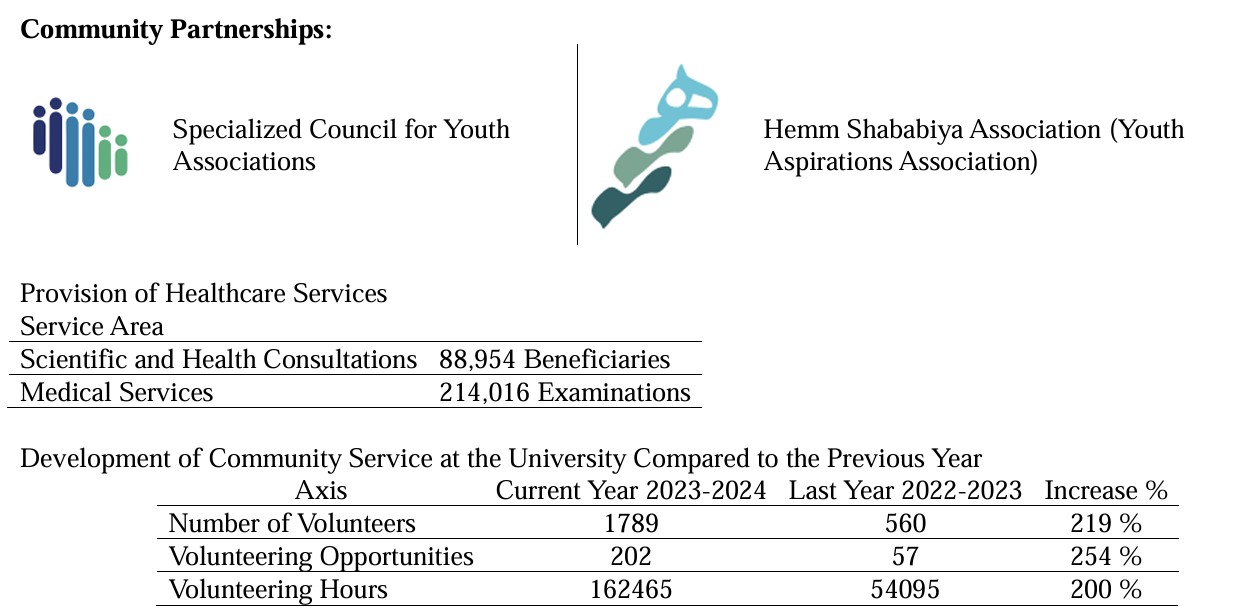
Hemam Youth Association
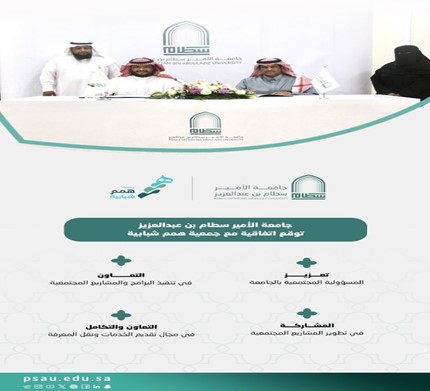
Prince Sattam bin Abdulaziz University (PSAU) signed a cooperation agreement with the Hemam Youth Association to enhance social responsibility at the university.
Located in Riyadh, the Hemam Youth Association is a platform that connects people with special needs to assorted services, including medical, fitness, personal care, and home maintenance. It also facilitates volunteer work, allowing individuals to contribute to their community and strengthen social bonds.
The cooperation with PSAU will cover cooperation to implement community programmes and projects, enhance the university’s social responsibility and cooperation for integration in the fields of service provision and knowledge transfer.
The signing ceremony took place on 25 March 2024 at the University main campus. Details can be accessed via Link. Additional details about Hemam Youth Association can be accessed via https://hemam.org/en/about-us/.
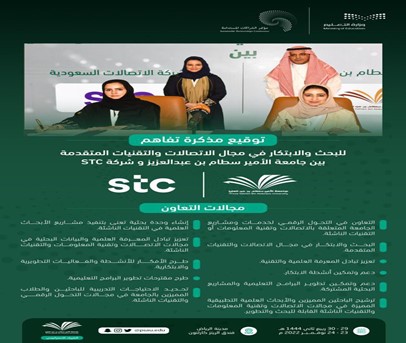
Saudi Telecommunications Company (STC)
PSAU to Advance Research and Innovation in Communication Technologies
The Prince Sattam bin Abdulaziz University (PSAU) signs a memorandum of understanding for research and innovation in the fields of communications and advanced technologies with Saudi Telecommunications Company (STC).
The STC Group is a digital transformation engine in the region, offering advanced solutions and driving a role in the digitisation process. The group provides a comprehensive suite of services encompassing digital infrastructure, cloud computing, cybersecurity, Internet of Things (IoT), artificial intelligence (AI), digital payments, digital media, and digital entertainment across the Kingdom of Saudi Arabia, Europe, and the Middle and North Africa region.
The partnership with STC focuses on areas such as establishing a research unit concerned with implementing scientific research projects in emerging technologies, promoting the exchange of scientific knowledge and research data in the field of communications, information technology and technologies, ideas for development activities and events, identifying the training needs of distinguished researchers and students at university in the field of digital transformation and emerging technologies etc.
The signing ceremony took place on 22 November 2022. Details can be accessed via link. Additional details about the STC can be accessed via https://www.stc.com.sa/content/stc/sa/en/about-stc/who-we-are.html.
The Deanship of Student Affairs concluded the activities of the "Talents 8" competition. The competition included eight axes (presentation star, poetry star, most beautiful voice, most beautiful theatrical scene, university artist, university photographer, digital design star, and digital montage star), with the participation of 245 students 111 male and 134 female students, the winners of which were honoured with 48 prizes. This competition comes within the programs held by the Deanship of Student Affairs to discover and enhance talents among its students, and to create an environment of competition and creativity.
This event took place on 05/05/2024 at the College of Business Administration Theatre. The details of the event can be accessed via https://dsa.psau.edu.sa/ar/news/2024-05-06
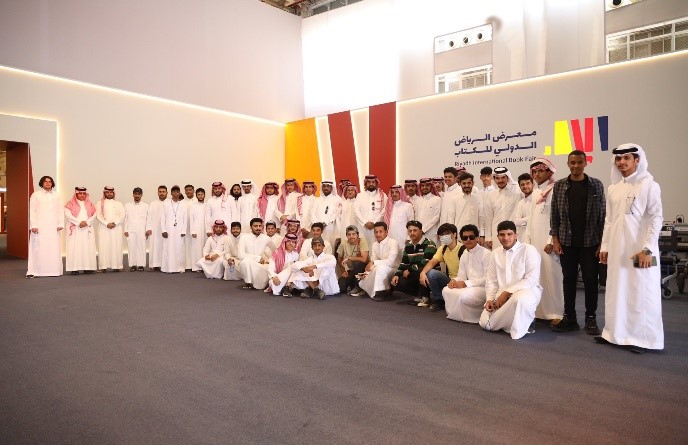
Deanship of Library affairs in cooperation with the Deanship of Student Affairs organises two trips to visit the Riyadh International Book Exhibition
The Deanship of Library Affairs, in cooperation with the Deanship of Student Affairs, organizes two trips to visit the Riyadh International Book Exhibition.
This event took place on 10/06/2022 at the Riyadh International Exhibition the details of the event can be accessed via https://np.psau.edu.sa/ar/news/2024/11/1730659003
Within Al-Kharj Governorate and during important local and national events, such as the annual Hajj in Makkah
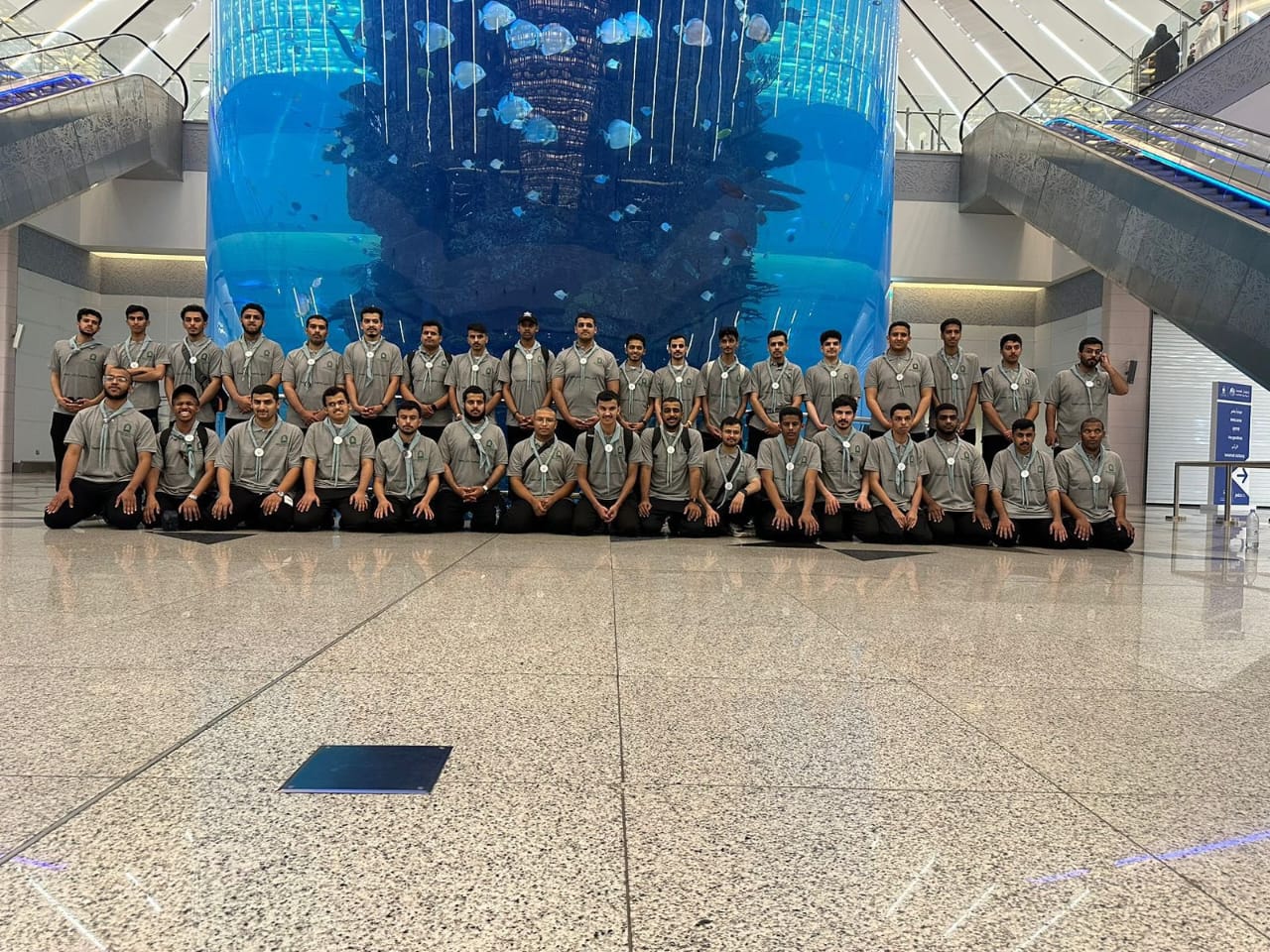
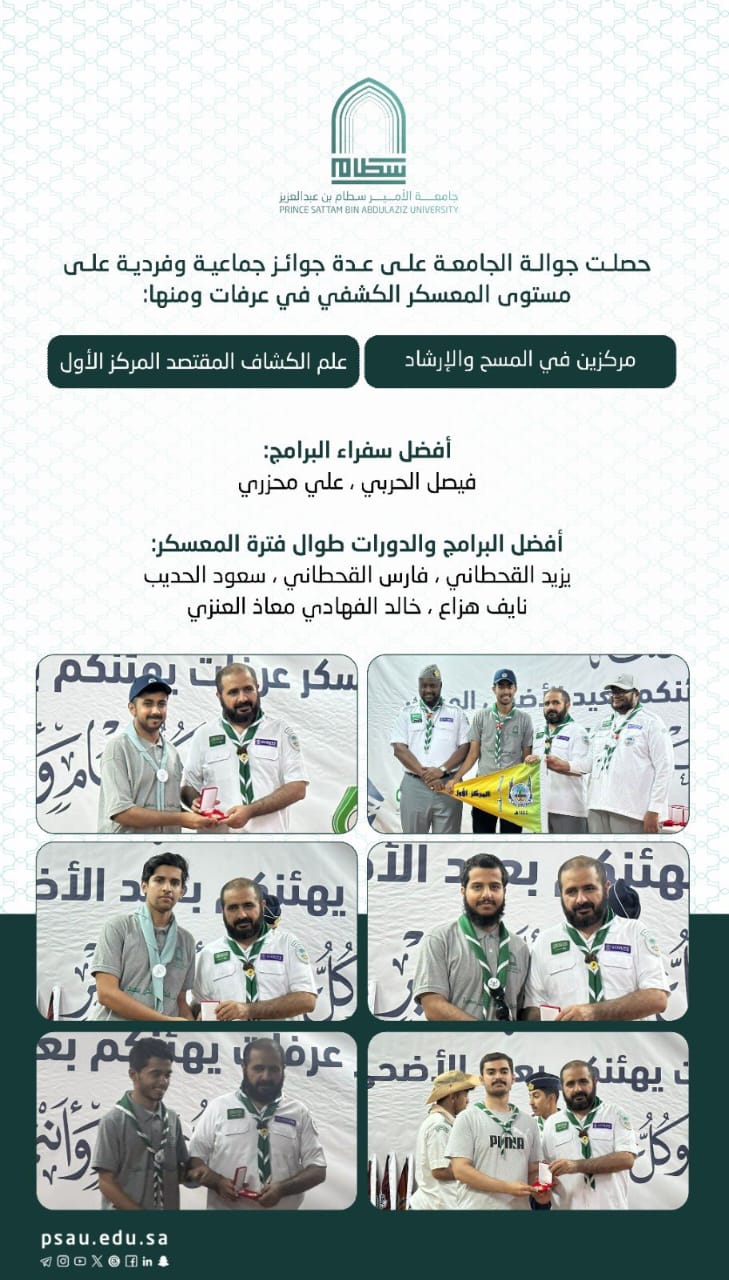
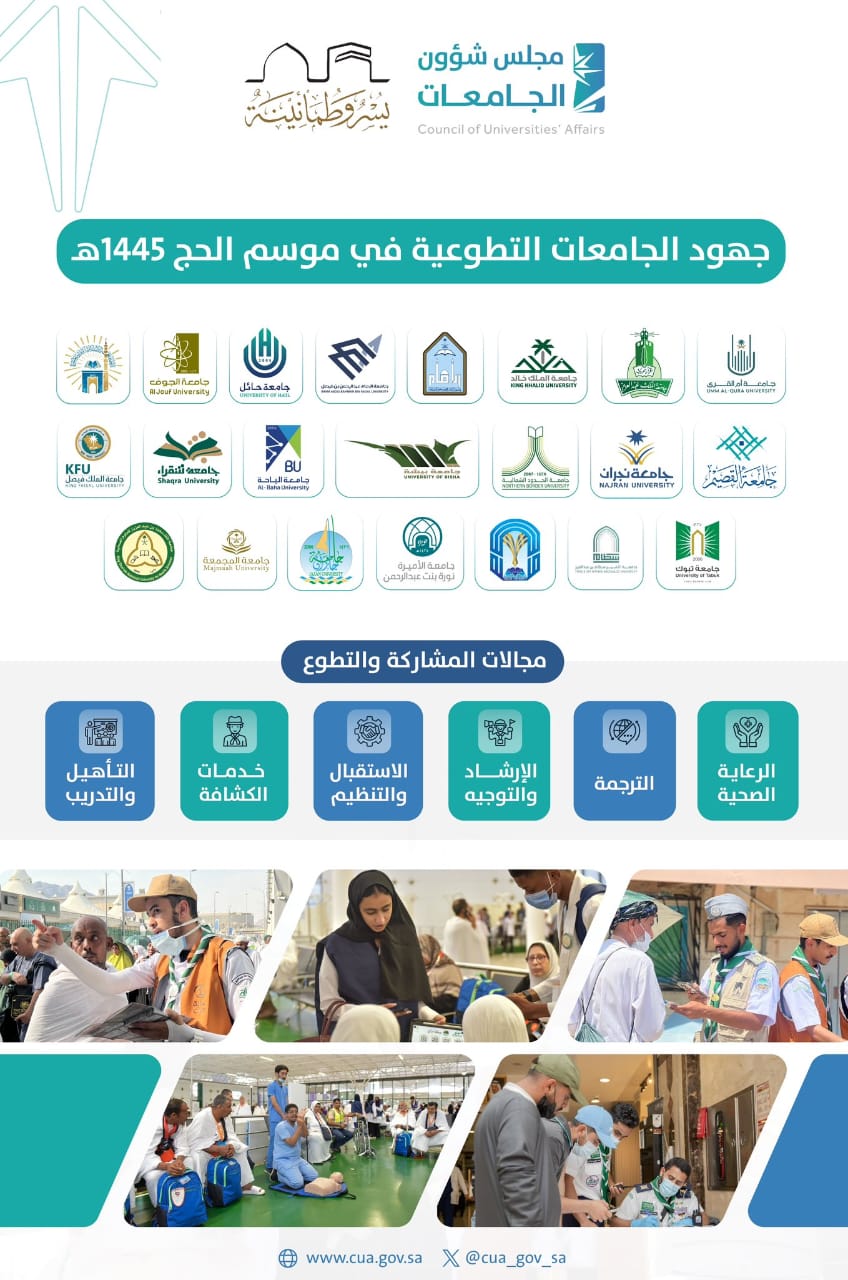
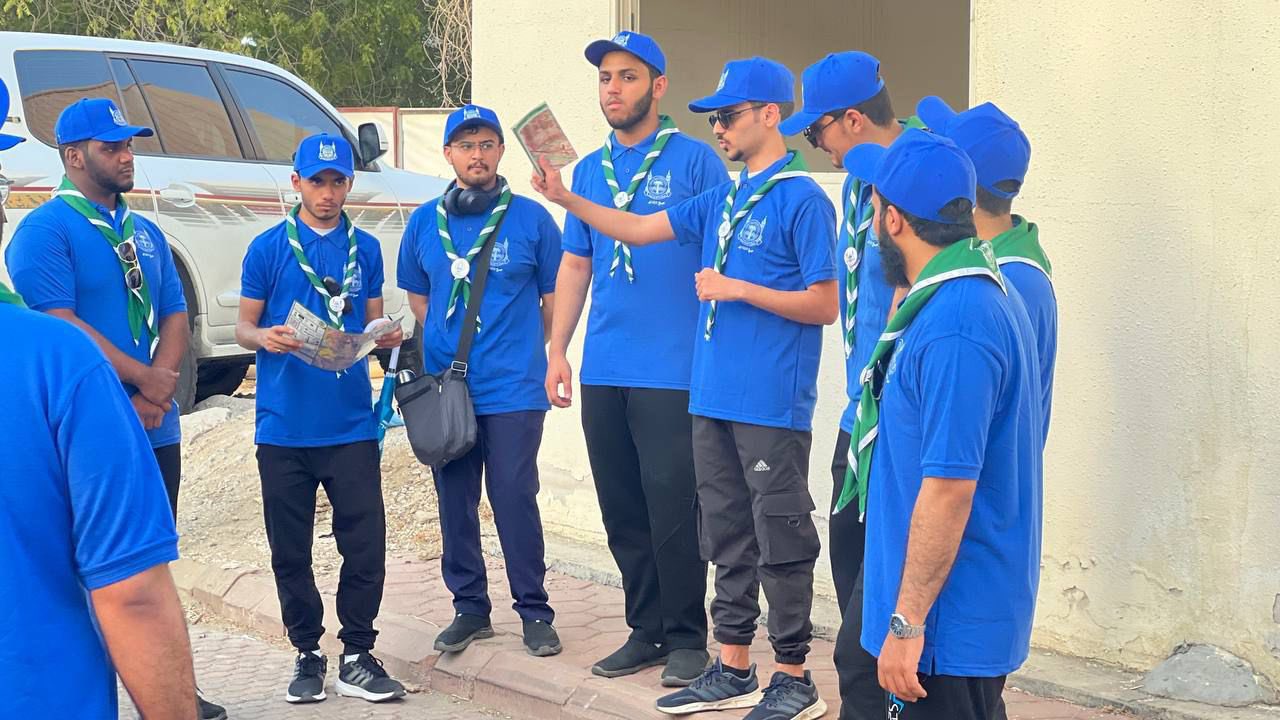
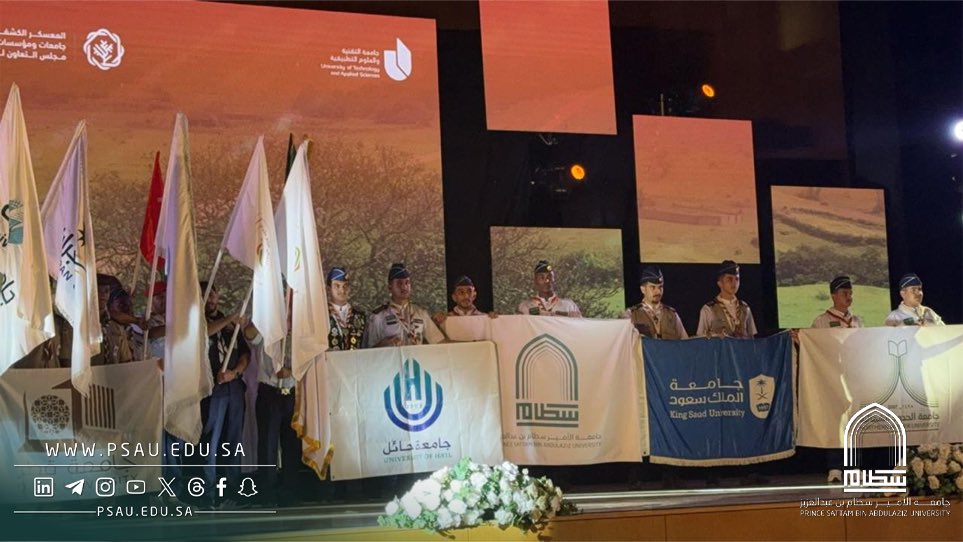
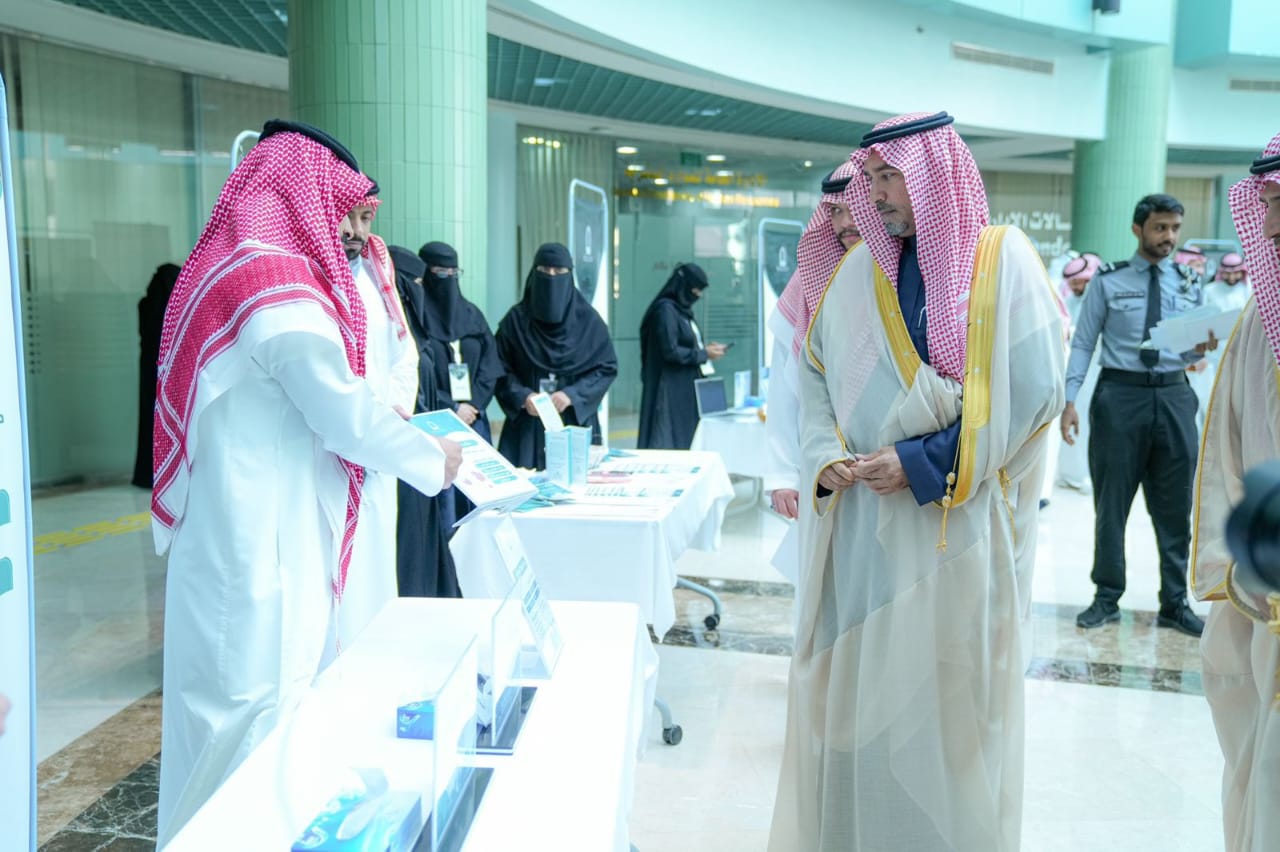
The Deanship of student affairs holds a closing ceremony for the “together for a conscious society” campaign.
In the presence of His Excellency the Vice President for Educational and Academic Affairs and the Director of Al-Kharj Police, the Deanship of Student Affairs held a closing ceremony for the "Together for an Aware Society" campaign. This programme witnessed a group of events and activities that were launched from the strategic goals of the university, which set its sights on caring for its students, providing them with a safe and ideal healthy environment, creating a positive aspect in their academic and social lives, spreading the culture of awareness and building life skills among them, so that they can be active members of their society. The event was open to the general public, and it drew attendance from different groups and NGOs within Kharj Governorate and Riyadh Province.
The opening remarks were followed by a screening of a documentary film about the campaign, and an awareness video about drugs and their harms. At the end of the ceremony, His Excellency the Vice-Rector of the University presented a commemorative shield to His Excellency the Director of Al-Kharj Governorate Police, after which the winners of the Best Awareness Video Competition and the Guidance Excellence Award for the year 1445 AH were honoured. The ceremony included an accompanying exhibition on awareness of the harms of smoking, drugs, and bullying, explaining its harms and dangers. It is worth noting that the "Together for an Aware Society" campaign was launched by the Deanship of Student Affairs, represented by the Guidance and Counselling Unit, and lasted for about three months, during which many awareness lectures and workshops were organised.