PSAU’s Engagement in Cross-Sectoral SDG Dialogue
Prince Sattam Bin Abdulaziz University (PSAU) plays an active and convening role in cross-sectoral dialogue on the United Nations Sustainable Development Goals (SDGs), positioning itself as a bridge between academia, government, civil society, and industry. Rather than confining its engagement to academic settings, PSAU actively initiates and participates in platforms that bring together diverse stakeholders to exchange knowledge, align priorities, and drive collective action towards sustainable development. This indirect approach – embedding SDG dialogue within conferences, partnerships, and collaborative initiatives – demonstrates the University’s commitment to fostering a shared vision and coordinated efforts for the SDGs.
Global SDG Forums and Congresses
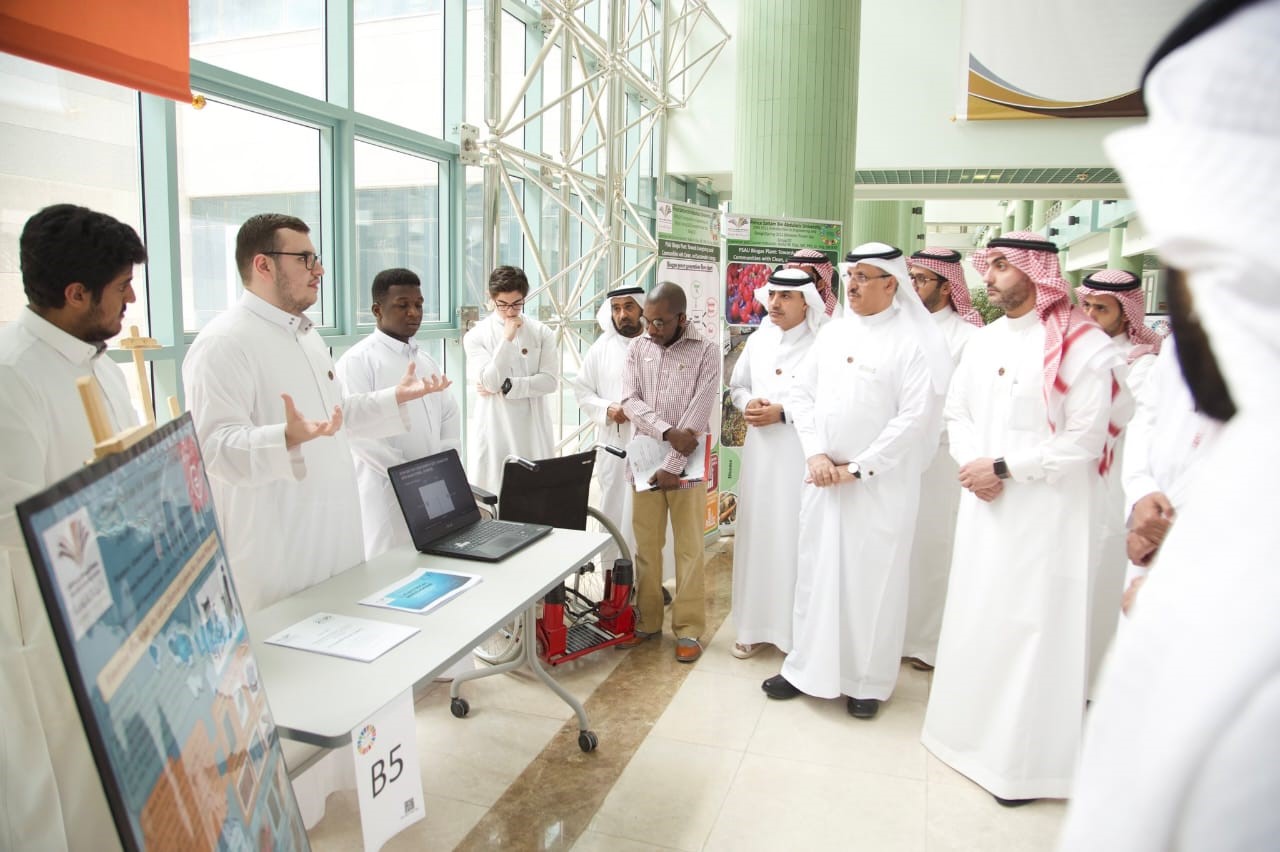
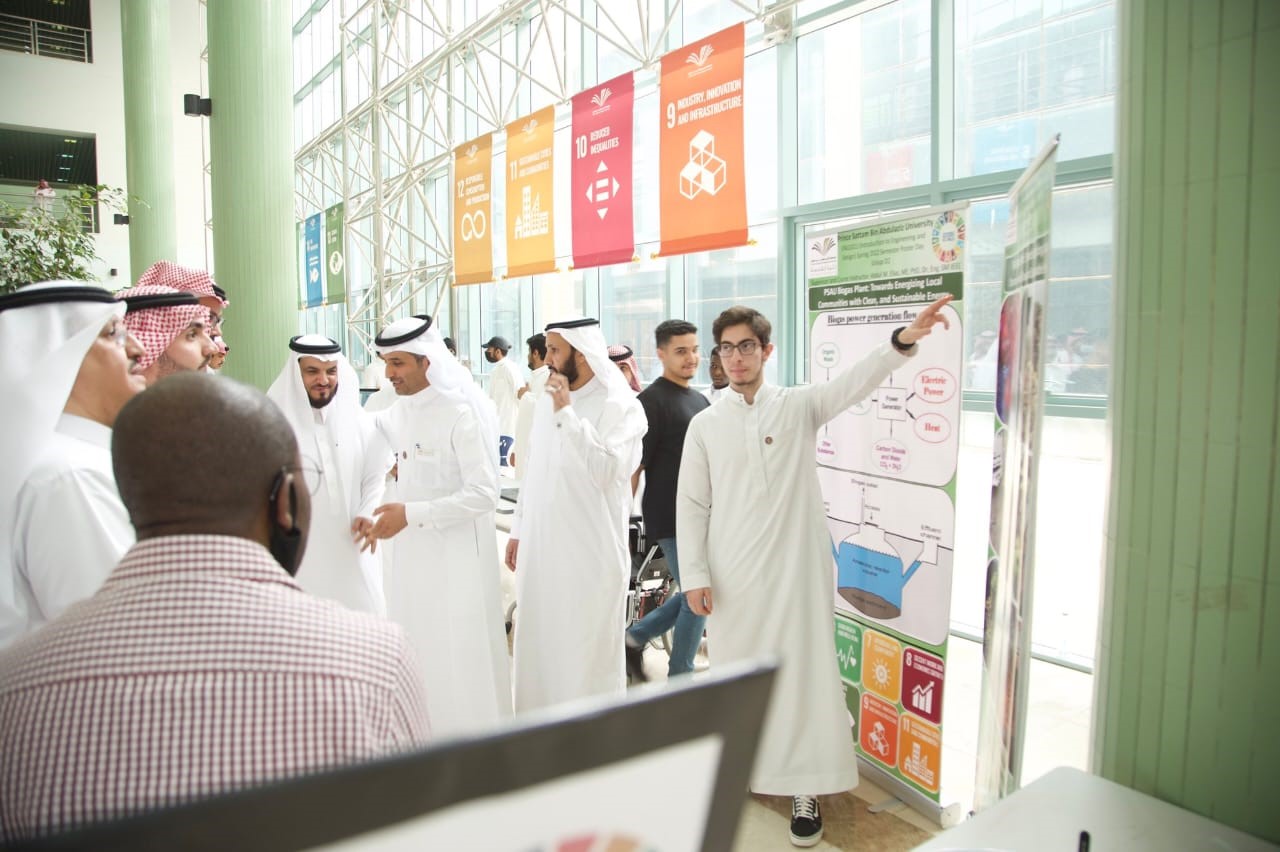
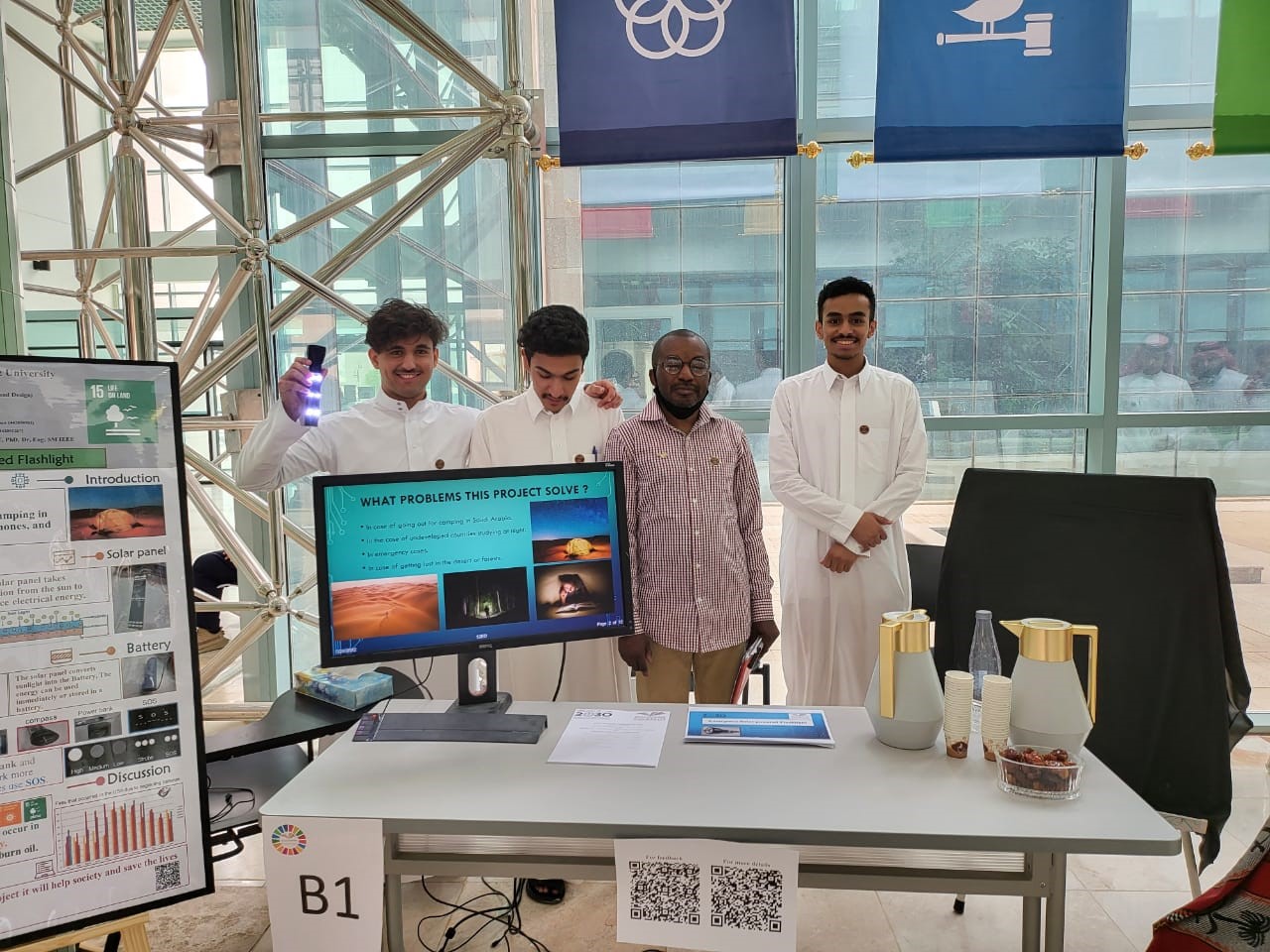
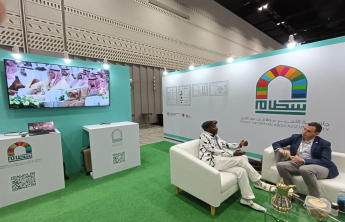
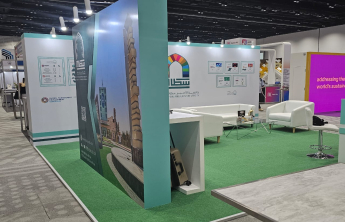
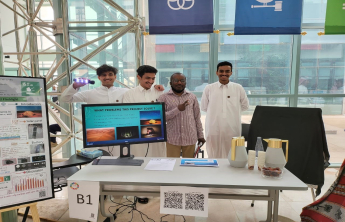
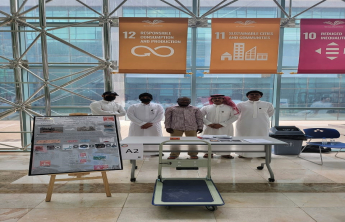
A central feature of PSAU’s engagement is its sustained co-sponsorship and participation in the Times Higher Education Global Sustainable Development Congress since 2023. Through this high-profile forum, which convenes governments, international organisations, NGOs, and universities from around the world, PSAU contributes to strategic dialogues on global sustainability challenges. The University’s involvement goes beyond formal attendance: PSAU ensures that its students are part of these gatherings, regularly enabling student delegations to attend and showcase SDG-themed projects at the Congress. By having students present their innovations and research in these international settings, PSAU translates classroom learning into practical solutions and highlights the next generation’s role in sustainable development. This dynamic student presence not only enriches the discourse at the Congress but also underscores PSAU’s commitment to experiential learning and to positioning learners as active contributors to global SDG conversations.
Cross-Regional Partnerships and Summits
PSAU’s role as a convenor of multi-sector dialogue is further exemplified by the launch of the PSAU Global South Partnership at the Times Higher Education Africa Universities Summit in 2025 – a major event headline-sponsored by the University. By introducing this partnership in a multistakeholder forum that brought together higher education leaders, development practitioners, and policymakers, PSAU established a new platform for sustained dialogue on shared SDG challenges facing emerging and developing regions. The Global South Partnership facilitates ongoing engagement on themes such as climate resilience, green skills, inclusive growth, and sustainable innovation. What began as a summit announcement has since evolved into long-term collaboration. Universities across Africa, Asia, and Latin America are now working with PSAU on joint research, student exchanges, and capacity-building initiatives. This cross-regional network ensures that dialogue on the SDGs moves beyond isolated conferences into continuous cooperation, creating a conduit for knowledge exchange and collective problem-solving among institutions confronting similar sustainable development challenges.
Global Networks for Sustainability Education
PSAU also engages actively with international sustainability networks and initiatives to broaden the scope of its cross-sector dialogue. For instance, the University became a member of the United Nations Sustainable Development Solutions Network (SDSN) in 2025, joining a global consortium of universities, industries, and NGOs dedicated to advancing practical solutions for the SDGs. Through SDSN’s platforms and working groups, PSAU shares its experiences and policy insights while learning from international best practices, contributing to policy discussions that transcend borders. In parallel, PSAU has partnered with Sulitest to implement the Tool for Assessing Sustainability Knowledge (TASK™) across its campuses, formally joining the TASK Change Leader community. This partnership with a leading sustainability literacy initiative allows PSAU to benchmark and enhance its students’ knowledge of sustainable development against a worldwide standard. By collaborating with Sulitest – a civil society organisation working alongside academia and industry – PSAU integrates cross-sector engagement directly into its educational mission. These global affiliations (including participation in forums like the Times Higher Education Sustainability Impact Network and UN-led green skills initiatives) amplify the University’s voice in worldwide conversations about sustainability education and ensure that it remains receptive to new ideas and collaborative opportunities.
Collaboration with Government, NGOs, and Industry
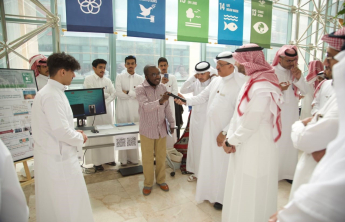
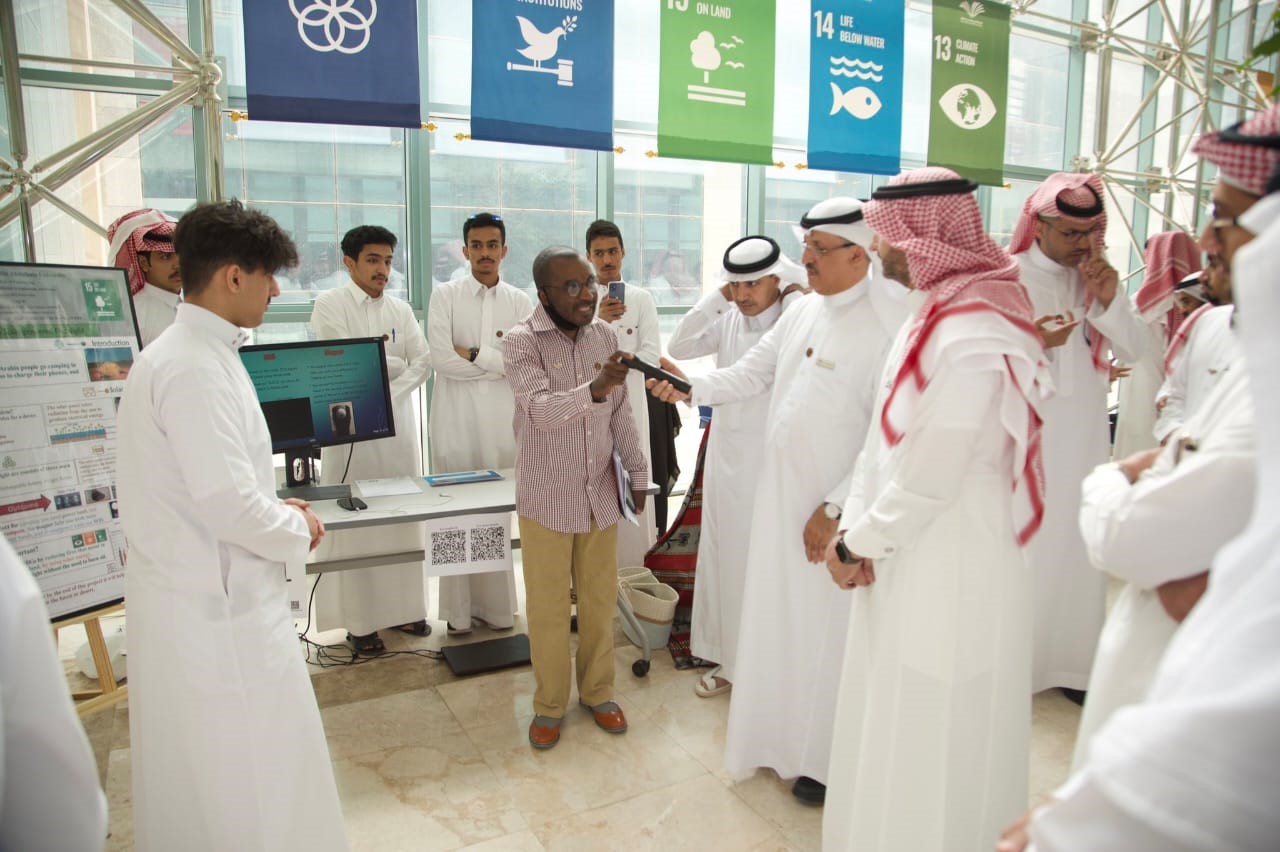
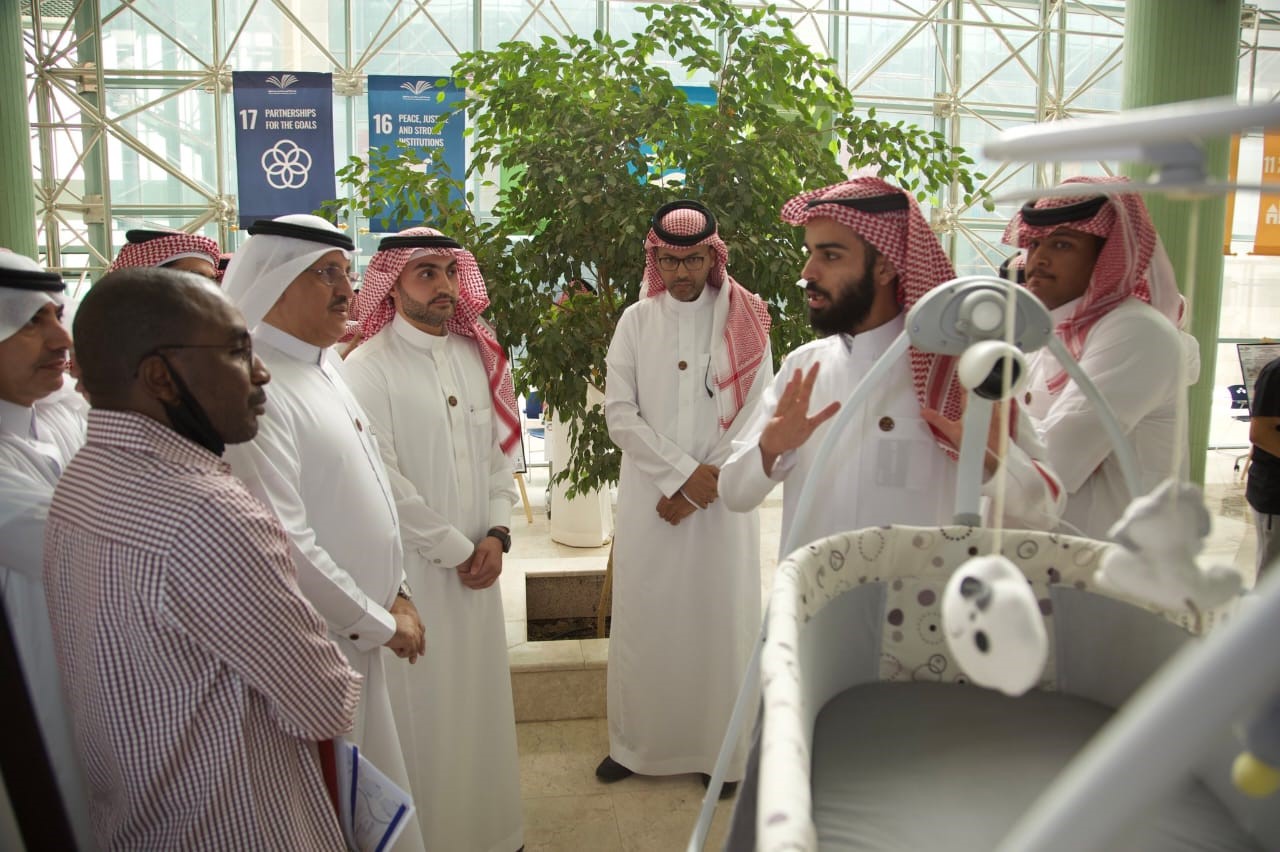
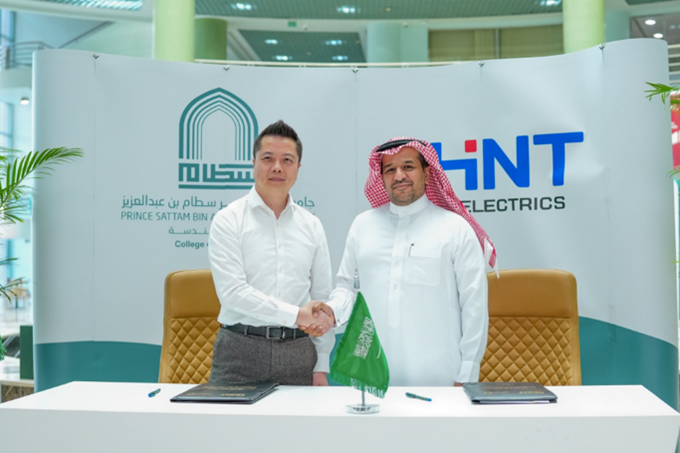
Crucially, PSAU’s cross-sectoral dialogue is not limited to global events – it permeates the University’s everyday activities in education, research, and community development. PSAU works closely with government agencies and public-sector bodies on projects that align academic expertise with national development priorities. For example, University experts collaborate with municipal authorities on urban sustainability initiatives such as tree-planting campaigns and environmental risk assessments, ensuring that research findings inform local policy and planning. Simultaneously, PSAU engages non-governmental organisations and community groups to translate SDG ideals into grassroots action. Structured volunteer programmes see students and faculty partnering with local NGOs on public health outreach, literacy drives, and environmental conservation efforts – each project creating a dialogue between academic knowledge and community needs. The private sector is another key part of PSAU’s multi-sector approach. The University invites industry partners into its educational mission. This collaboration ranges from co-designing new sustainability-focused curricula and vocational training programmes to co-hosting sustainability conferences and exhibitions that highlight innovative technologies. One notable example is the annual sustainability exhibition where local companies and entrepreneurs join PSAU in showcasing green solutions, sparking conversations about sustainable practices in business and society. Through these collaborative endeavours, PSAU ensures that SDG dialogue produces tangible, shared outcomes. Academic research and teaching are continuously enriched by real-world perspectives, while government, civil society, and industry stakeholders alike benefit from the University’s expertise and innovation. This integrative approach solidifies PSAU’s role as a facilitator and contributor in multi-sector efforts to achieve the SDGs.
In essence, PSAU has embedded itself in the fabric of cross-sectoral SDG dialogue – bridging the gap between theory and practice, and between diverse societal actors. By sponsoring global congresses, forging international partnerships, and leading collaborative initiatives at home, the University exemplifies how a higher education institution can convene and inspire collective action for sustainable development. PSAU’s active engagement across sectors reflects an unwavering commitment to the SDGs and to the principle that only through inclusive dialogue and partnership can meaningful progress be achieved.
SDG-Related Partnerships by Category:
NGO and Civil Society Organisations:
- Al-Halwa Green Association – local environmental conservation NGO
- Purity Association for Combating Smoking – health awareness NGO
- Al-Yamamah Community Development Association – community welfare NGO
Government and Public Sector:
- Al-Kharj Municipal Government – local government partner for community sustainability initiatives
- National Center for Vegetation Development & Combating Desertification – national environmental agency collaboration
- Saudi Commission for Health Specialties – public sector partner for capacity-building in healthcare and education
Industry and Private Sector:
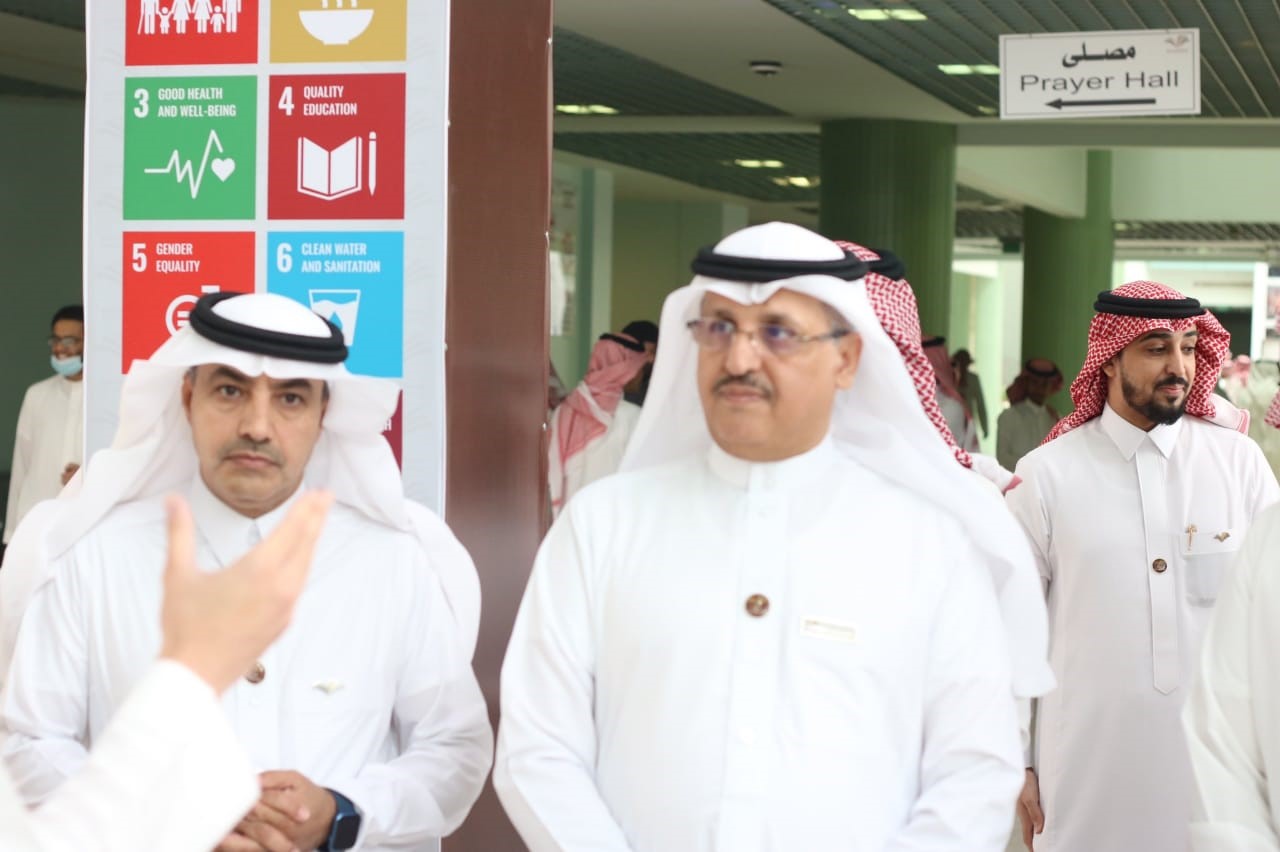
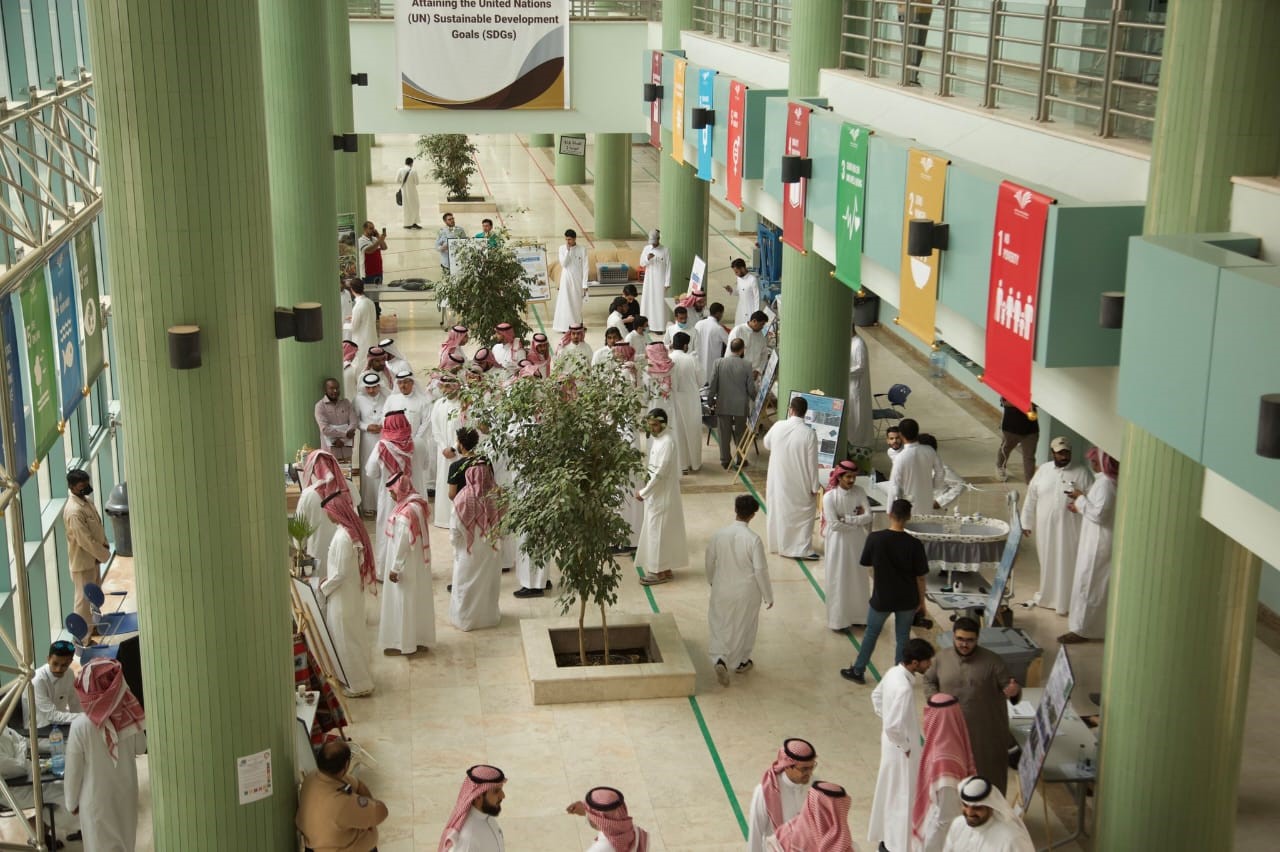
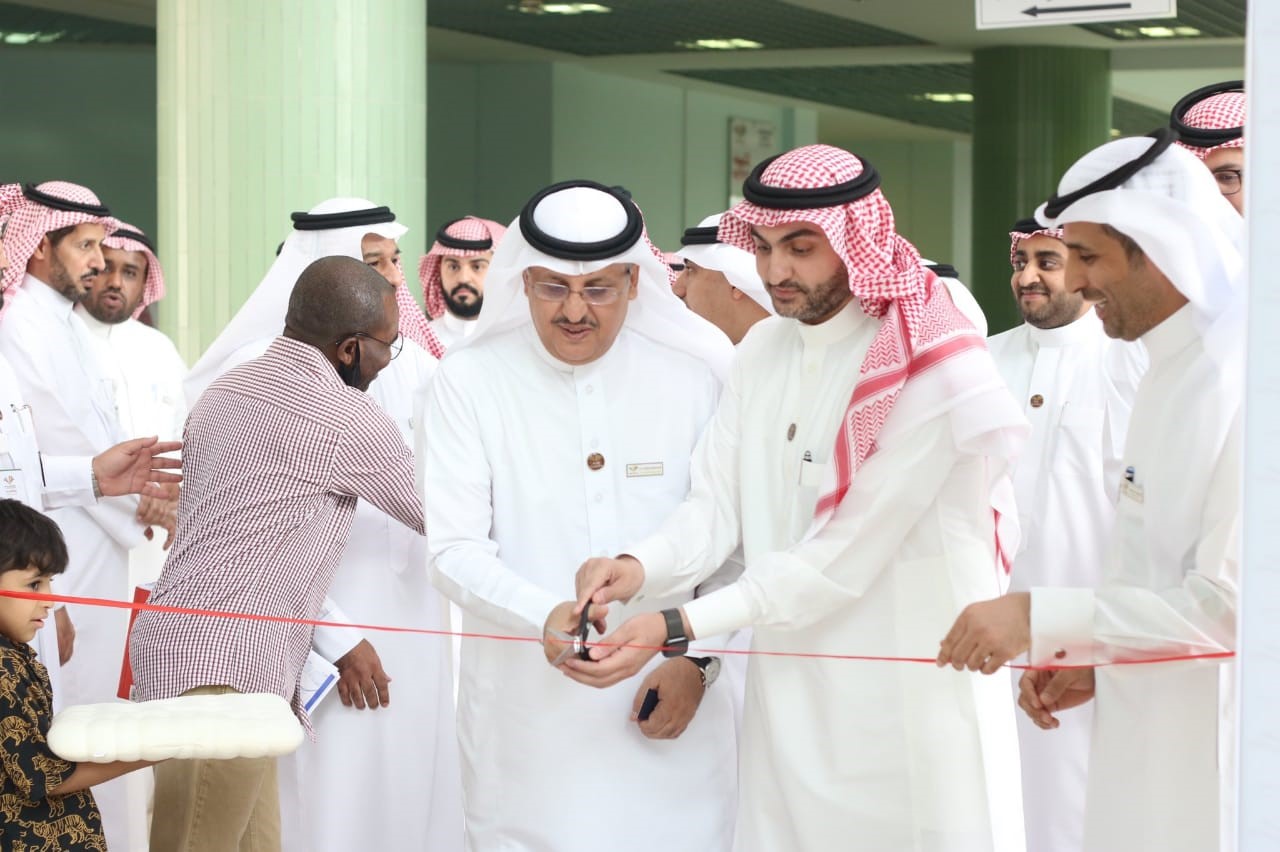
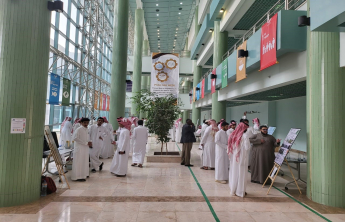
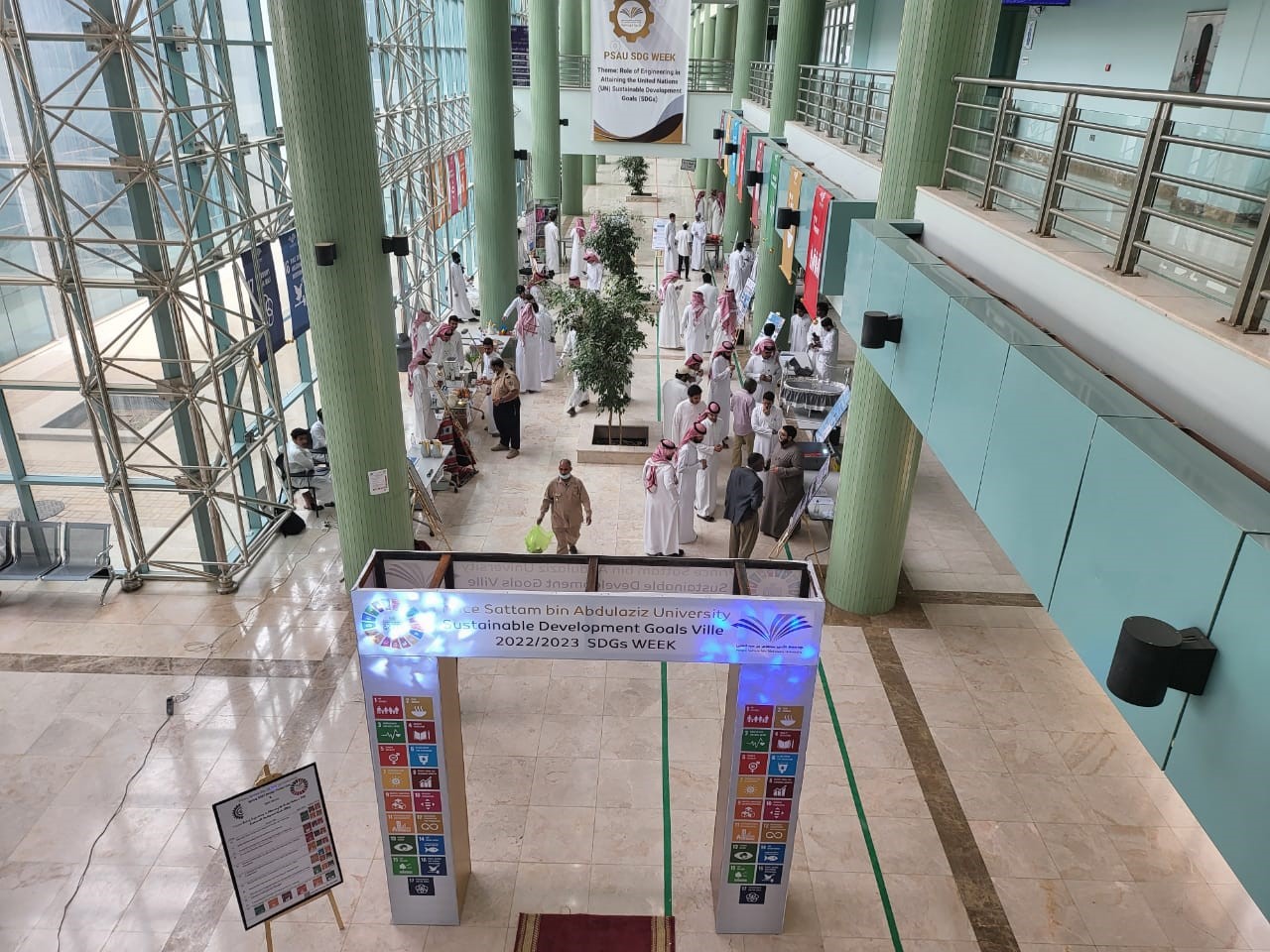
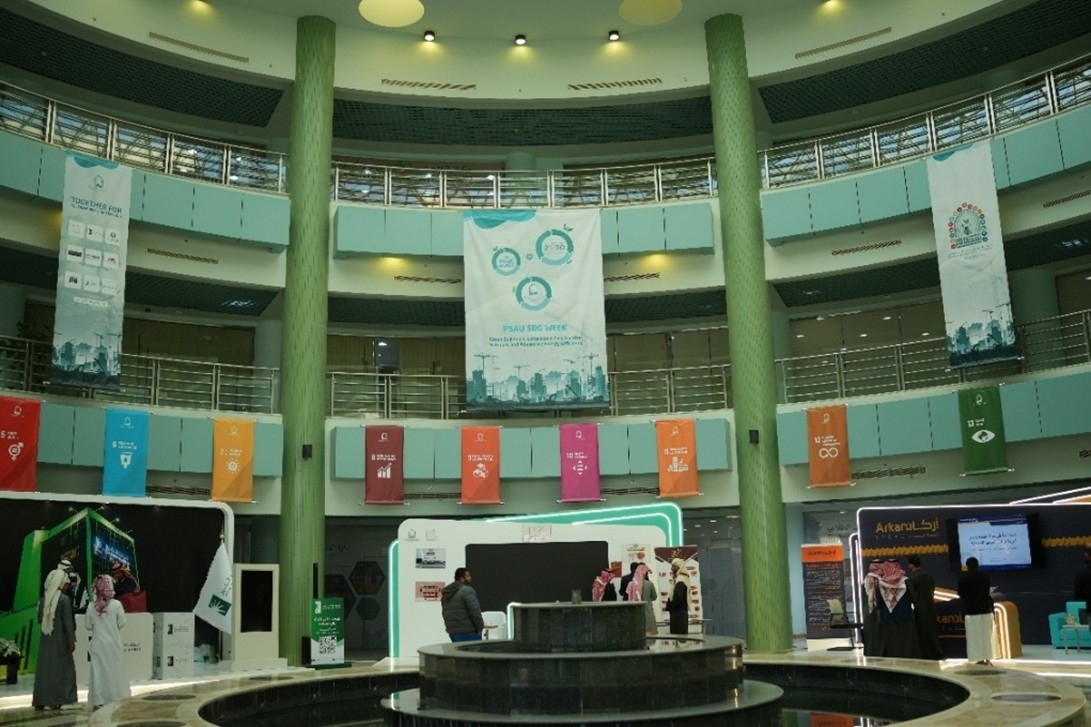
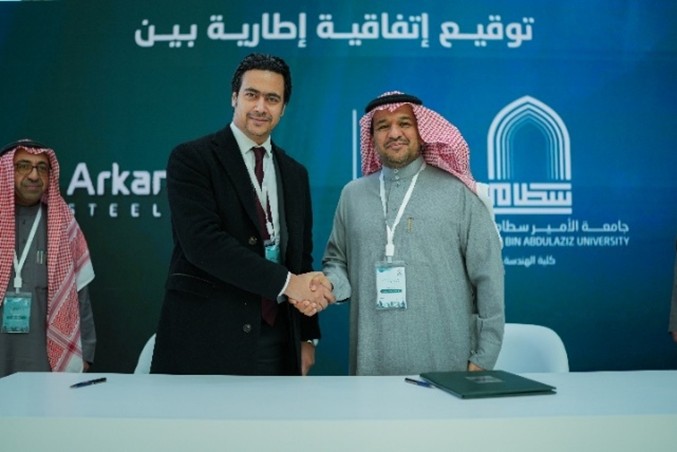
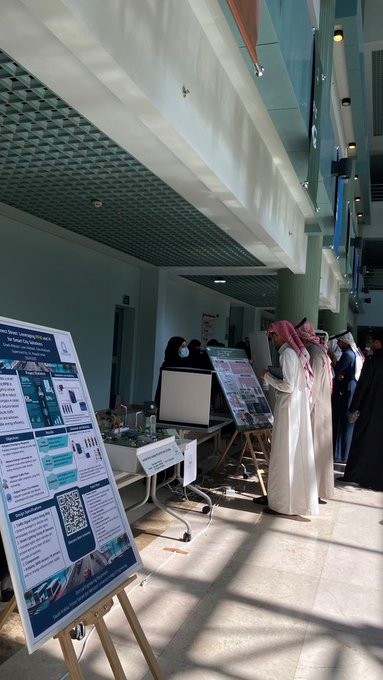
- 2025 PSAU Industry Exhibition – PSAU planned and hosted the first industry exhibition on its campus focused on sustainability, which attracted more than a dozen industries.
- Al-Fanar Company – renewable energy industry partner supporting research and innovation
- Knowledge E – private sector partner in sustainability education and training initiatives
- Al-Fanar Company – renewable energy industry partner supporting research and innovation
- Knowledge E – private sector partner in sustainability education and training initiatives
Global Higher Education and Sustainability Networks:
- UN Sustainable Development Solutions Network (SDSN) – member institution contributing to global SDG policy dialogue
- Sulitest (TASK™ Change Leader Community) – partner for internationally benchmarked sustainability literacy assessment
- Times Higher Education Sustainability Impact Network – member engaging with global higher education institutions on sustainability strategies
- UNEP–THE International Green Skills Initiative – founding partner in a multi-sector alliance to integrate green skills into education systems
Prince Sattam Bin Abdulaziz University plays an active and convening role in cross-sectoral dialogue on the Sustainable Development Goals, positioning itself as a bridge between academia, government, civil society, and industry. Rather than limiting engagement to academic forums, PSAU deliberately participates in and initiates platforms that bring together diverse stakeholders to exchange knowledge, align priorities, and advance collective action on sustainability challenges.
A central feature of this engagement is PSAU’s sustained co-sponsorship and participation in the Times Higher Education Global Sustainable Development Congress since its inception in 2023. Through this platform, PSAU contributes to high-level dialogue involving governments, international organisations, NGOs, and universities from across the world. The University’s participation extends beyond institutional representation; PSAU regularly enables students to attend and showcase SDG-themed projects at the Congress, demonstrating how sustainability learning is translated into practical, student-led solutions. This student presence reinforces PSAU’s commitment to experiential learning while positioning learners as active contributors to global sustainability conversations.
PSAU’s role in cross-sectoral dialogue is further demonstrated through the launch of the PSAU Global South Partnership at the Africa University Summit, an event headline-sponsored by the University. By initiating this partnership in a multistakeholder forum involving higher education leaders, development actors, and policymakers, PSAU created a platform for sustained dialogue on shared SDG challenges facing emerging and developing regions. The Global South Partnership facilitates ongoing engagement on themes such as climate resilience, green skills, inclusive growth, and sustainable innovation, enabling dialogue to move beyond single events into long-term collaboration.
In addition to these flagship engagements, PSAU actively participates in regional and international conferences, policy forums, and skills-focused summits that convene government agencies, NGOs, and industry partners. Through its involvement in global sustainability and green skills initiatives, the University contributes institutional perspectives to discussions on education for sustainable development, skills measurement, and workforce transformation. These forums allow PSAU to share evidence from its own curriculum integration, student assessment practices, and co-curricular initiatives, while also learning from emerging international approaches.
Across all these platforms, PSAU’s approach to dialogue is deliberately integrative. Sustainability literacy, student engagement, research, and skills development are presented not as isolated achievements, but as interconnected elements of a broader institutional strategy. By convening and participating in cross-sectoral dialogue, PSAU reinforces its role as a knowledge broker and collaborative partner, ensuring that academic insights, student innovation, and societal priorities inform one another in the collective pursuit of the SDGs.